



 Back
Inspiration
The Silent Symphony of Plants: Strength, Beauty and Generosity
A tribute to the plant kingdom that feeds, heals and enchants us, revealing the secrets of nature through its roots, leaves and aromas

Share:


The plant kingdom is a silent symphony of resilience, adaptability, and generosity. It unfolds almost imperceptibly, creating life through cracks in the asphalt, on mountain slopes, and in the depths of forests. The strength of plants is a fascinating paradox: fragile enough to be bent by the wind, yet powerful enough to break through concrete. They are masters of patience, extending their roots until they find water and nutrients, waiting for the right moment to bloom. In this act of resistance, plants not only survive, they thrive.
The lifespan of a plant is a fluid concept. Some live for only a day, while others span centuries, witnessing the passing of human generations. Giant sequoias, for example, hold in their rings the memory of ages that transcend human comprehension. They remind us that life is not measured by how long it lasts, but by the depth and impact it achieves.
And there is something miraculous about the fact that plants can thrive in even the most unlikely environments. In cracks in asphalt, on the edges of cliffs, on sand dunes... Plant life is proof that the world always finds a way to rebalance itself, to recover, to resist. They are the purest symbol of resilience, and by observing them, we are forced to recognize our own fragility.
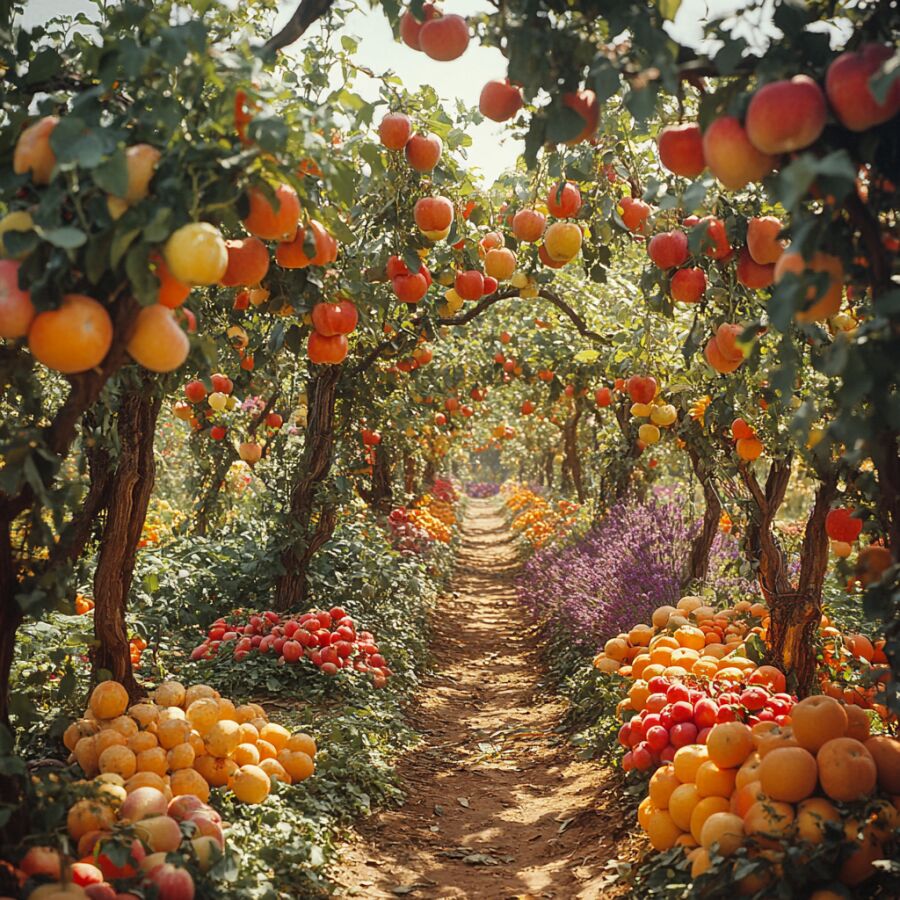
Plants are also guardians of an ancient secret: they contain within themselves the alchemy of life. Everything we need, in essence, can be found in the plant kingdom. The spices that fill our kitchens with rich aromas, such as basil, thyme and rosemary, are the same ones that helped ancient civilizations preserve their food and heal their wounds. They are the flavors of our memories and the symbols of our culture, transcending borders and languages.
They are also irreplaceable sources of nutrition, offering a balance of nutrients that nature has precisely formulated. Every green leaf, every vibrant fruit, every tiny seed is a little vault of energy, capable of nourishing our bodies and minds. Plants don’t just feed us; they heal us. Modern science has only begun to scratch the surface of the therapeutic potential of the plant kingdom, from calendula that soothes irritated skin to lavender that coaxes us into a peaceful sleep.
When we think of perfumes that transport us to another reality, medicines that save lives, and cosmetics that caress our skin, we are taken back to the generosity of plants. Each extract, each essential oil is a reminder that our connection with nature is deep and undeniable. The scent of a rose, for example, is more than an aroma; it is a sensory experience that carries within itself the delicacy of existence and the power of transformation.
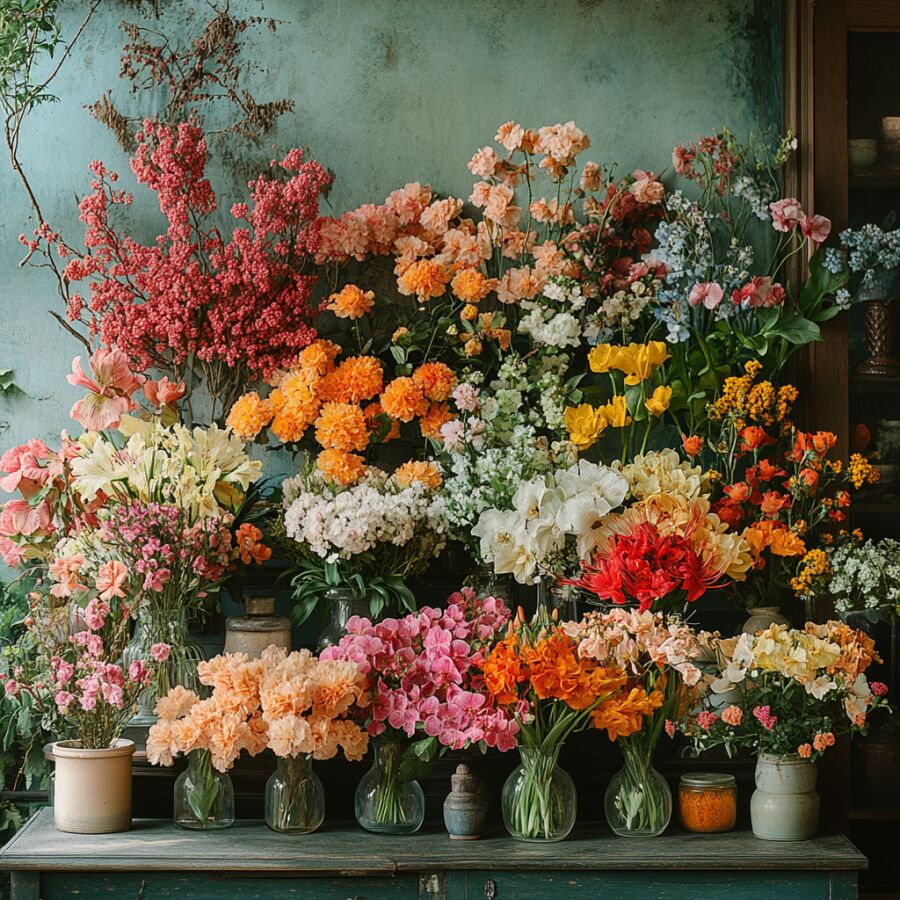
In this text, I will mention just a few powers of the plant kingdom, addressing its strength, its countless uses and its impact on our daily lives.
The Power of Plants: Life that Flourishes Even in Concrete
Plants have an amazing power, growing in seemingly impossible places. Think of the small herbs and flowers that sprout from the concrete of cities, emerging between cracks in the asphalt as a symbol of resilience. They defy the hostile environment and show us that, just like them, we can adapt and thrive even in the most difficult circumstances.
Example: The dandelion, which we often find growing on sidewalks, is a classic example of this strength. Its deep roots allow it to grow in hard, poor soil. In addition to its resilience, its leaves are edible and rich in vitamins A, C and K.

The Long Haul: Witnesses of Time
There are plants that span generations, living for hundreds or even thousands of years. Centuries-old trees, such as majestic sequoias or ancient baobabs, are true living monuments that have witnessed the passing of ages. Their deep roots and robust trunks teach us about permanence and stability.
Example: The Methuselah tree, located in California, is a bristlecone pine that is over 4.800 years old, making it one of the oldest trees in the world. Pine bark extract, known for its antioxidant properties, is used in supplements to promote cardiovascular health and combat premature skin aging.

Nutrient Sources: Foods from the Plant Kingdom
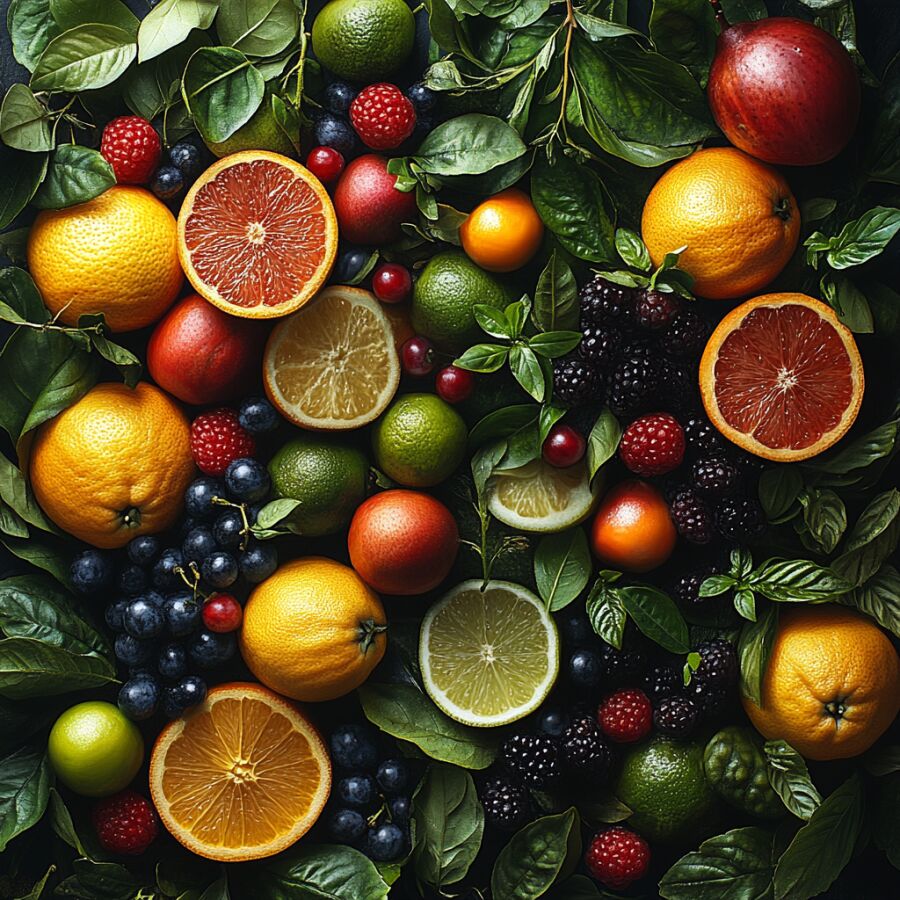
Plants, in their generosity, are the basis of our diet. They are responsible for most of the nutrients we consume, from cereals and legumes to fruits and vegetables. They offer an abundance of vitamins, minerals and bioactive compounds that are essential for our health.
Example: Spinach is a plant rich in iron and vitamins A, C and K, being an excellent source of energy and vitality.
Seasonings: The Soul of Cooking
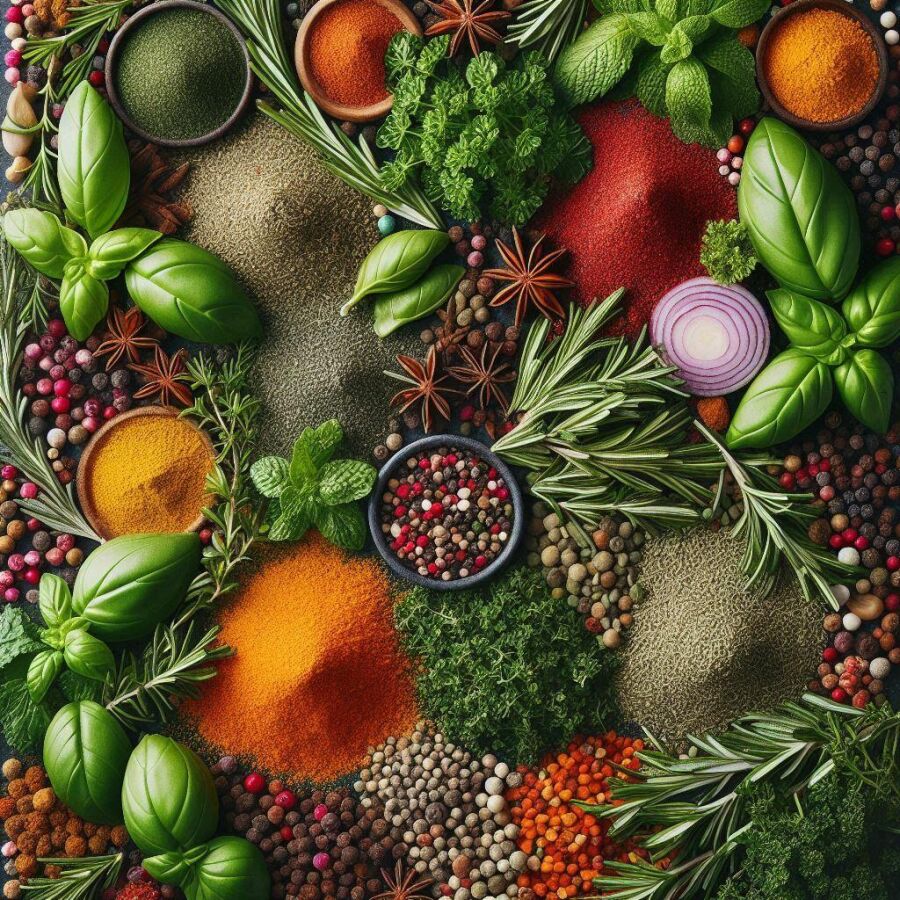
Practically all the spices we use in cooking come from plants. They not only enhance the flavor of food, but also bring with them medicinal and aromatic properties. Plants season not only our meals, but also our lives, with aromas and flavors that awaken our senses and affective memories.
Example: Basil, common in Mediterranean dishes, has anti-inflammatory and antioxidant properties, and is a versatile herb that can be used in both savory dishes and sauces.
Aromatic Extracts: The Perfume of Nature
The perfumes we use every day have their roots (literally) in plants. Flowers such as roses, jasmine and lavender are some of the main sources of fragrances used in perfumes and cosmetics. Through essential oils, plants connect us with nature in a subtle way, bringing aromas that relax, energize and even heal.
Example: Lavender essential oil is widely known for its calming properties, being used in aromatherapy to reduce stress and improve sleep.
Ancestral Medicine: Plants that Heal
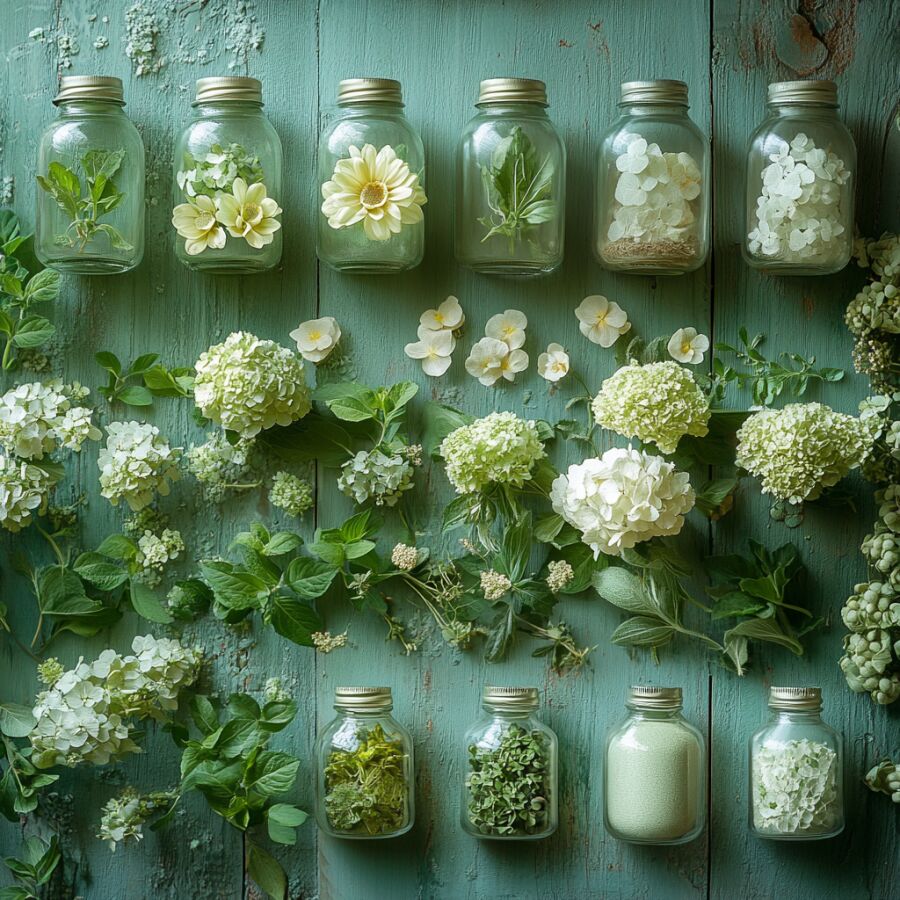
For centuries, plants have been the primary source of medicine for humanity. From herbs used by traditional healers to compounds isolated in modern laboratories, the healing power of plants is undeniable. They contain active substances that fight disease, relieve pain and promote longevity.
Example: Aloe vera is a medicinal plant used for millennia to treat burns and skin problems. Its anti-inflammatory and healing compounds make it an excellent option for skin care. Aloe vera gel can be applied directly to minor burns or skin irritations for immediate relief. In addition, it is an excellent base for homemade moisturizers.
Natural Cosmetics: Beauty of Green
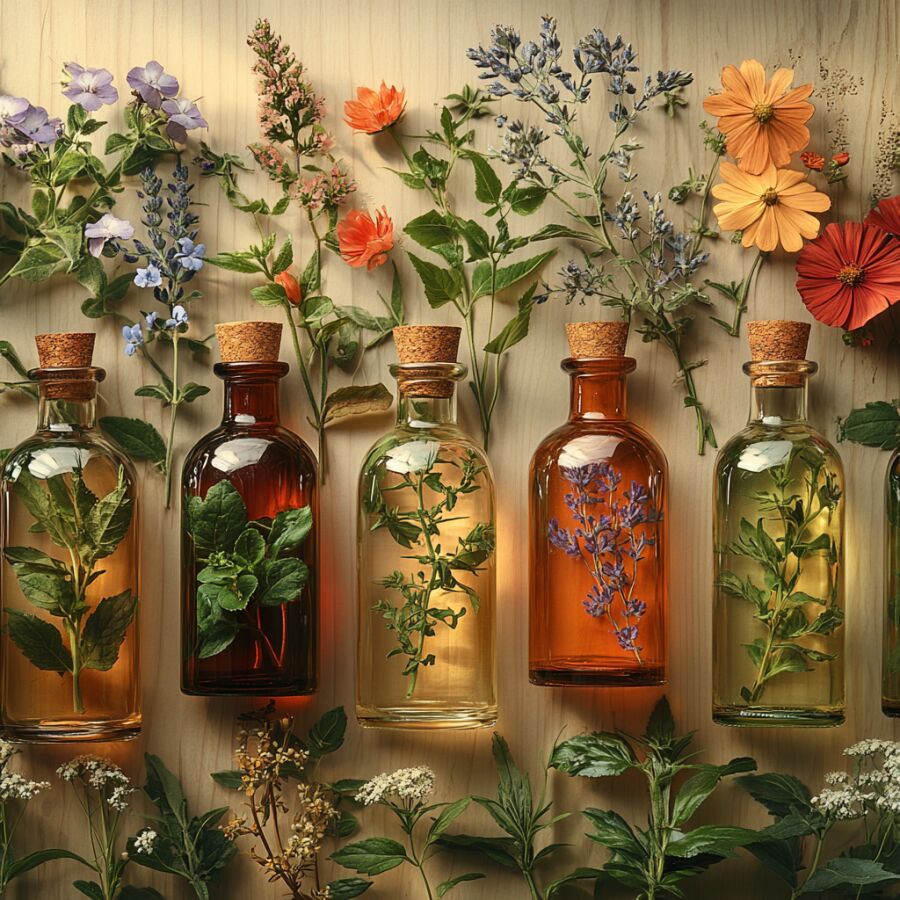
Increasingly, we are looking for plant-based cosmetics to care for our skin and body. Ingredients such as argan oil, shea butter and chamomile extract not only hydrate and regenerate, but also connect us to the power of nature, making our beauty rituals healthier and more sustainable.
Example: Argan oil, which comes from Morocco, is rich in vitamin E and fatty acids, making it a powerful moisturizer for skin and hair.

The plant kingdom is not just a component of life on Earth. It is a symbol of the very essence of life... complex, interconnected, resilient, and abundantly generous. Plants teach us that to thrive, we need to take root, grow towards the light, but also adapt, reinvent ourselves, and above all, surrender to the endless cycle of giving and receiving.
Thank you Plant Kingdom!
You might also like to read

Krebs Challenge: The Cellular Energy Game That Turns Biochemistry into Adventure
Enter the labyrinth of mitochondria and discover how the Krebs cycle becomes an epic game of strategy, transformation and pure energy.
Published on March 18, 2025 at 11:11 AM - Updated on March 16, 2026 at 16:56 AM - By Silvia Ribeiro

What If Our Immune System Was a Video Game? Discover the World of ImmunoQuest
Protect the kingdom of the human body by leading immune heroes into epic battles and strengthen their abilities with natural powers!
Published on March 06, 2024 at 16:47 AM - Updated on March 21, 2026 at 12:05 AM - By Silvia Ribeiro
🏠 Open Home to see all subjects and topics

Celebrating Arbor Day: How Nature Teaches Patience, Sustainability, and Scientific Knowledge
A tribute to the ecological strength, botanical charm and wisdom that only the plant kingdom can teach
Published on March 21, 2025 at 12:47 AM - Updated on March 10, 2026 at 10:23 AM - By Silvia Ribeiro

When Excuses Run Out, Why Do We Continue to Consume Animals?
A thorough analysis of the most common arguments against veganism and why they crumble when confronted with ethics, logic, and compassion.
Published on March 03, 2026 at 13:13 AM - Updated on March 03, 2026 at 13:16 AM - By Silvia Ribeiro

Why the Fashion Industry Is Rethinking Everything It Produces
How science, nature, and design are converging to create a new logic of production.
Published on March 04, 2026 at 11:27 PM - By Silvia Ribeiro

2026 Could Be the Year We Choose Kindness
An invitation to live with more compassion, care for the planet, and respect for life itself.
Published on March 31, 2025 at 10:54 AM - Updated on March 31, 2025 at 10:55 AM - By Silvia Ribeiro

The Hidden Side of the Christmas Turkey: The Invisible Cruelty Behind the Tradition
Investigations reveal suffering, environmental impacts, and open the way for a more conscious Christmas.
Published on March 15, 2025 at 11:16 AM - Updated on March 16, 2025 at 09:13 AM - By Silvia Ribeiro

World Dog Day: An Ode to Love That Needs No Labels, Just Presence
On August 26th, we honor the silent and deep love between pet parents and their four-legged children.
Published on March 26, 2025 at 08:41 AM - Updated on March 26, 2025 at 08:51 AM - By Silvia Ribeiro

Tofu, Tradition, and Longevity: What Okinawa Has to Teach Us About Healthy Aging
In Japan's "Blue Zone," Jamie Oliver reveals how simple, age-old habits can transform our relationship with age and health.
Published on March 16, 2025 at 10:49 AM - Updated on March 16, 2025 at 18:28 AM - By Silvia Ribeiro