



 Back
Nutrition
12 Powerful Foods to Nourish Your Body, Save Money Every Day, and Transform Your Health
Simple and affordable, these foods offer flavor and vitality, proving that eating well can be easy, enjoyable, and sustainable.

Share:


In a world where the food industry often directs us toward ultra-processed, expensive, and nutrient-poor products, we often forget that some of the best foods for our health are within our reach... simple, affordable, and packed with benefits.
These 12 foods have something in common:
🔸 High nutritional value at a low cost: they deliver abundant vitamins, minerals, proteins, and fiber without breaking the bank.
🔸 Versatility in the kitchen: they can be used in practical everyday recipes, from breakfast to dinner.
🔸 Sustainability: grown with less environmental impact and without the need for animal exploitation.
🔸 Science and tradition: both are supported by modern research, but they have also been part of the diet of traditional peoples for centuries.
→ These are ingredients that promote satiety, help prevent chronic diseases (such as diabetes, hypertension and cancer), balance the intestinal microbiota and provide constant energy... all with great flavor and simplicity.
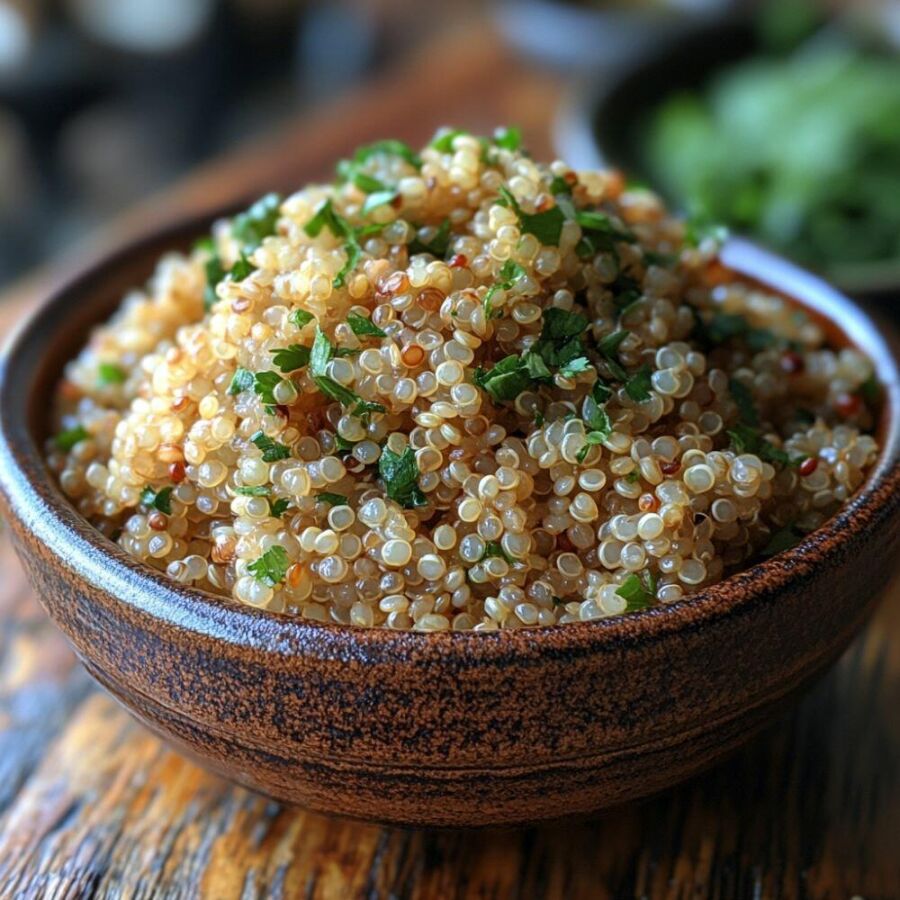
① Quinoa
• Nutrients: Complete protein, calcium, iron, phosphorus, vitamins B and E, essential amino acids (lysine, methionine, cystine).
• Benefits: Strengthens bones, provides lasting energy, aids in muscle repair.
• Fun fact: Considered sacred by the Incas and called the "mother of all grains".
→ Quinoa with Walnuts Recipe: Sauté onion, celery, and carrot; add mushrooms, rinsed quinoa, water, rosemary, and soy sauce; cook for 25 minutes, then finish with walnuts and parsley.
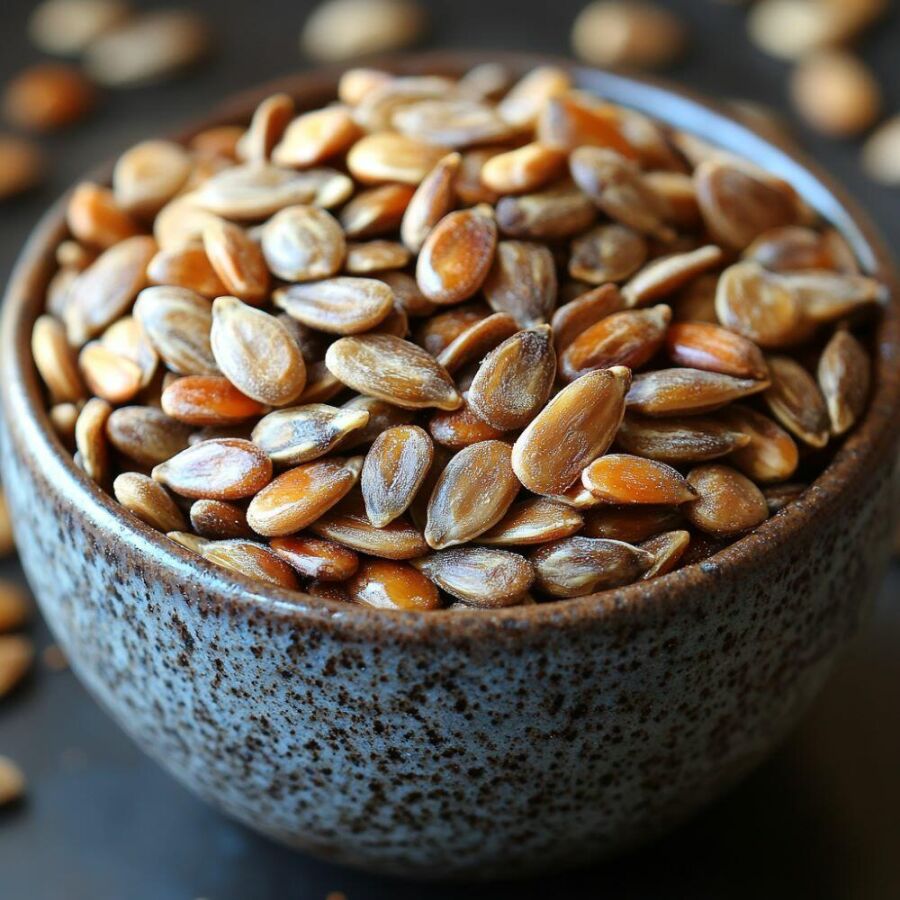
2 Sunflower Seeds
• Nutrients: Vitamin E, magnesium, selenium, copper, folic acid.
• Benefits: Powerful antioxidant, protects heart and brain, natural anti-inflammatory.
• Interesting fact: Used as a staple food by indigenous peoples of North America.
→ Roasted Sunflower Seeds Recipe: Roast raw seeds 6 - 8 min at 190°C (370°F), season to taste.
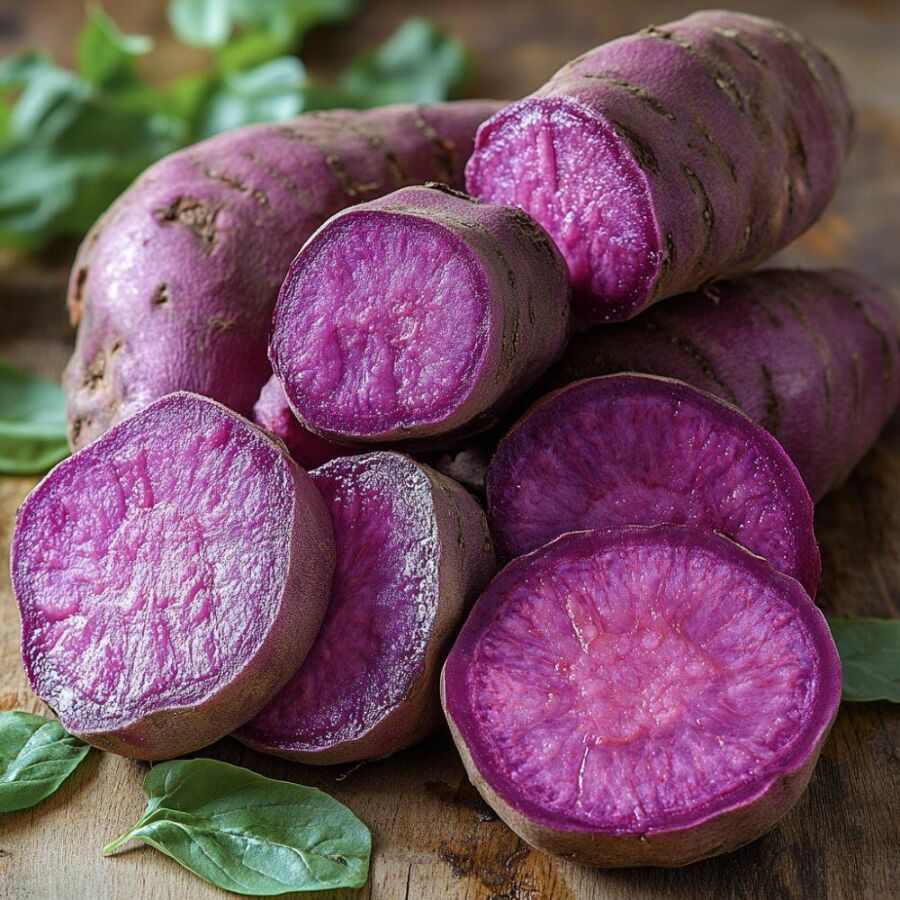
③ Sweet potato
• Nutrients: Vitamin A (beta-carotene), vitamin C, manganese, fiber, potassium.
• Benefits: Antioxidant, strengthens immunity, helps with eye health, and regulates blood sugar.
• Fun fact: The purple variety is very rich in anthocyanins, powerful antioxidants.
→ Baked Sweet Potato Recipe: Cut potatoes, brush with olive oil, coat in a mixture of paprika, garlic and herbs; bake for 20 minutes on each side at 190°C (370°F).
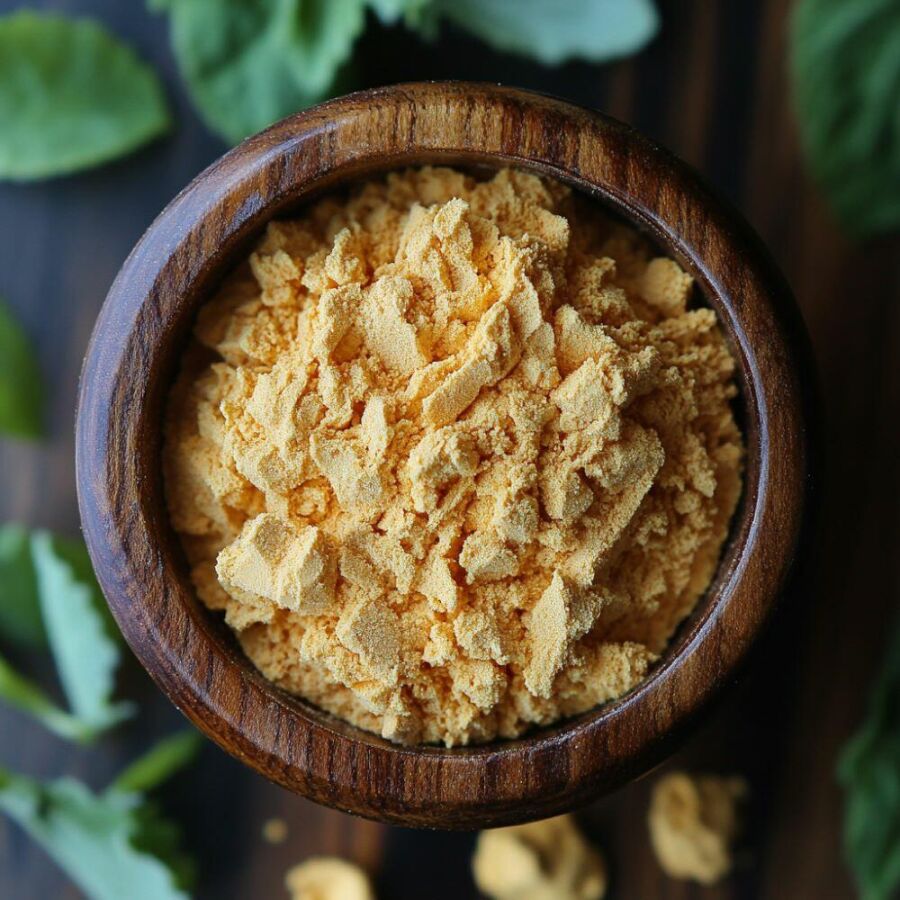
④ Nutritional Yeast
• Nutrients: Complete protein, B vitamins (including B12 in fortified versions), chromium.
• Benefits: Helps control blood sugar, provides a "cheesy" flavor without dairy, strengthens the immune system.
• Interesting fact: Unlike bread or brewer's yeast, it is inactive and cultivated to be nutritious.
→ Recipe for Yeast "Cheese" Pasta: Cook whole wheat pasta; make a sauce with oil, flour, water, onion, garlic, turmeric, soy sauce, and yeast; bake and gratinate.
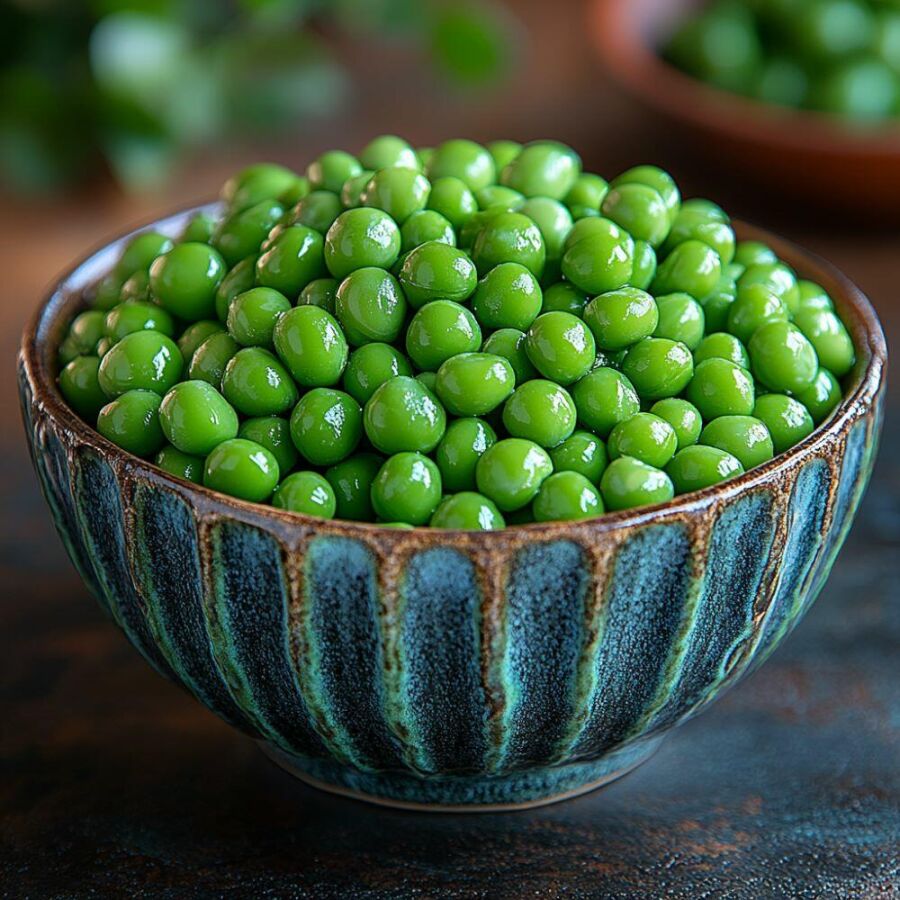
⑤ Pea
• Nutrients: Vegetable protein, insoluble fiber, molybdenum, vitamins B1 and B5.
• Benefits: Improves digestion, regulates blood sugar, strengthens detoxification metabolism.
• Interesting fact: One of the most protective legumes against heart disease.
Pea and Cabbage Soup Recipe: Cook peas and garlic; in another pot, cook vegetables; add corn, cabbage, mushrooms, and tomatoes.
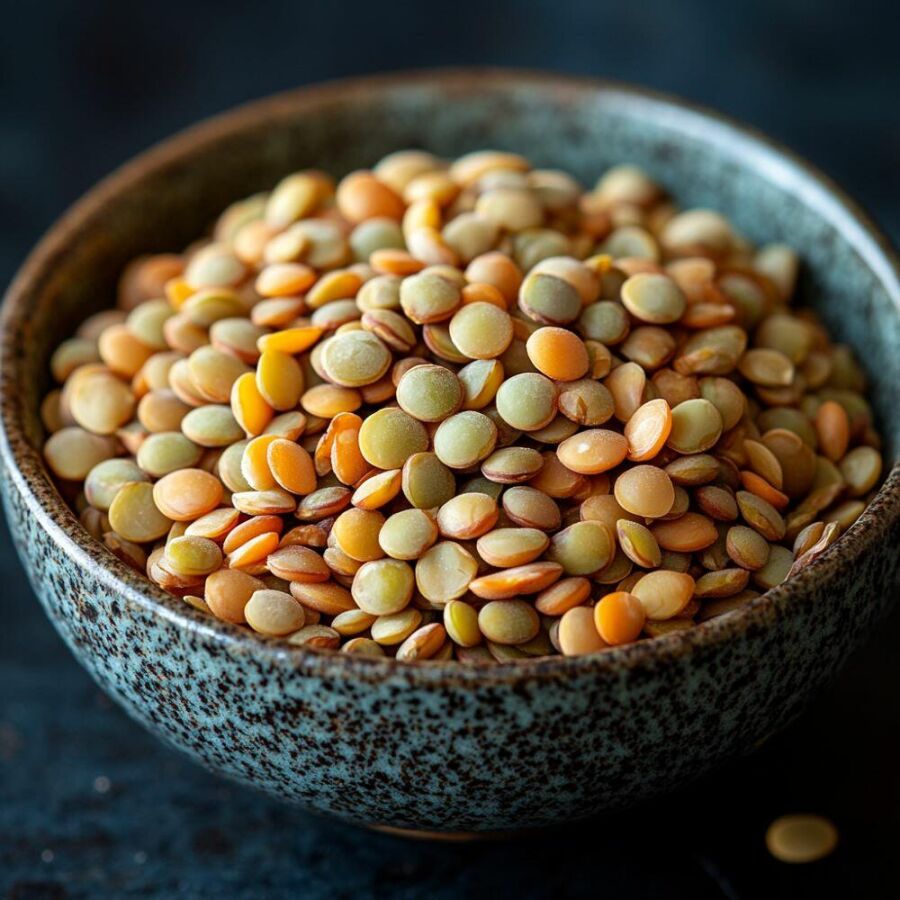
⑥ Lentils
• Nutrients: Iron, protein (26%), folate, fiber, manganese, lysine.
• Benefits: Helps fight anemia, promotes satiety, stabilizes energy.
• Fun fact: It is one of the oldest foods cultivated by humans.
Lentil and Barley Stew Recipe: Sauté vegetables and garlic; add lentils, barley, and spices; cook, then add tomatoes and broth.

⑦ Popcorn
• Nutrients: Fiber, vegetable protein, vitamins B1 and B2, iron, polyphenol antioxidants.
• Benefits: Improves digestion, contributes to satiety, may help control cholesterol and blood sugar.
• Fun fact: It was a staple food during the Great Depression in the USA.
• Caution: Avoid commercial versions that are high in fat, salt, and artificial flavorings such as diacetyl.
→ Quick recipe: Pop without oil or with a little oil; season with nutritional yeast, smoked paprika or turmeric.
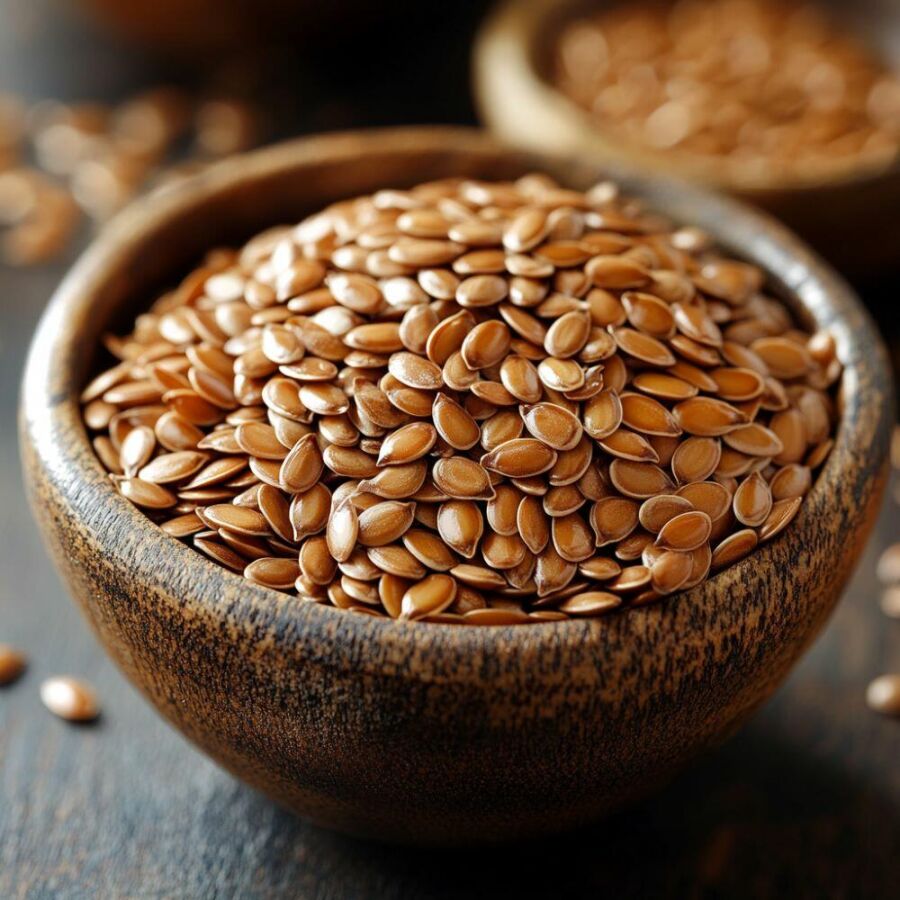
⑧ Flaxseeds
• Nutrients: Omega-3, anti-cancer lignans, soluble and insoluble fiber, proteins.
• Benefits: Reduces inflammation, helps balance hormones, protects the heart and brain.
Tip: Grind fresh and store in the refrigerator to prevent rancidity.
• Fun fact: Flaxseed was used by Hippocrates as a "medicine" in Ancient Greece.
→ Cornbread with Flaxseed Recipe: Mix ground flaxseed, soy milk, and apple juice; add cornmeal, whole wheat flour, salt, and yeast; bake for 1 hour.
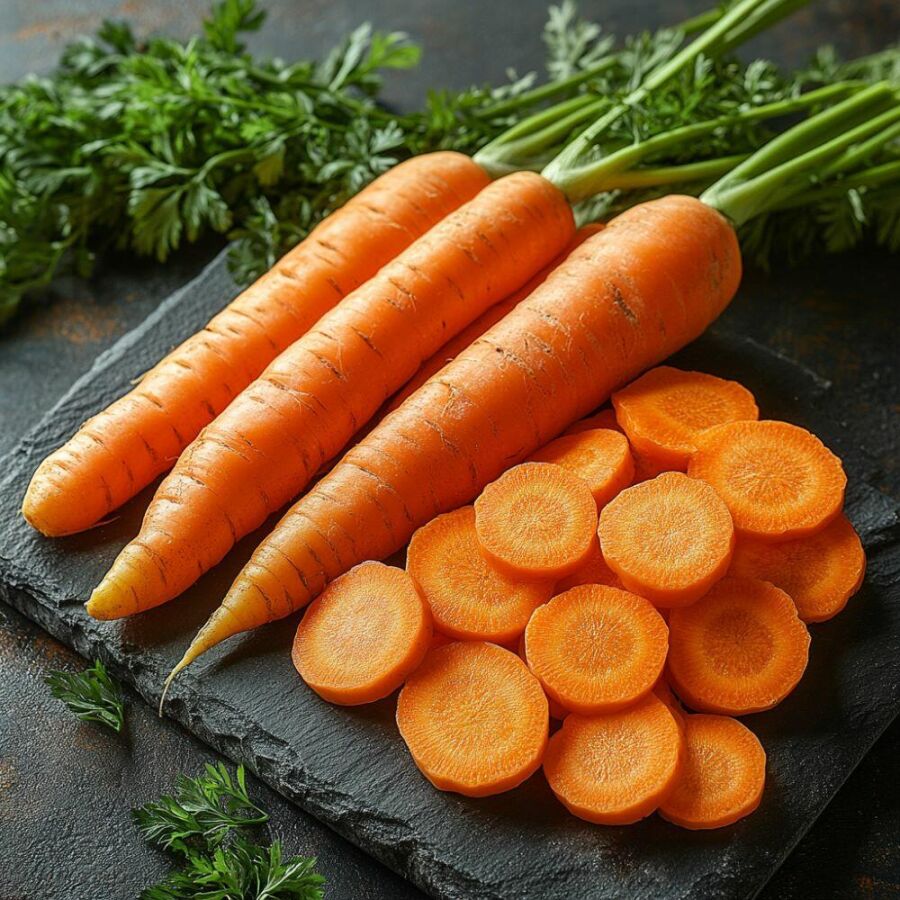
⑨ Carrot
• Nutrients: Beta-carotene, alpha-carotene, vitamin A, fiber, potassium.
• Benefits: Protects vision, strengthens immunity, reduces the risk of heart disease.
• Interesting fact: Carotenoids in carrots work together, making them more effective than isolated supplements.
→ Creamy Carrot Curry Soup Recipe: Cook carrots and onions; blend with chestnuts, curry, and soy sauce; serve with salsa.
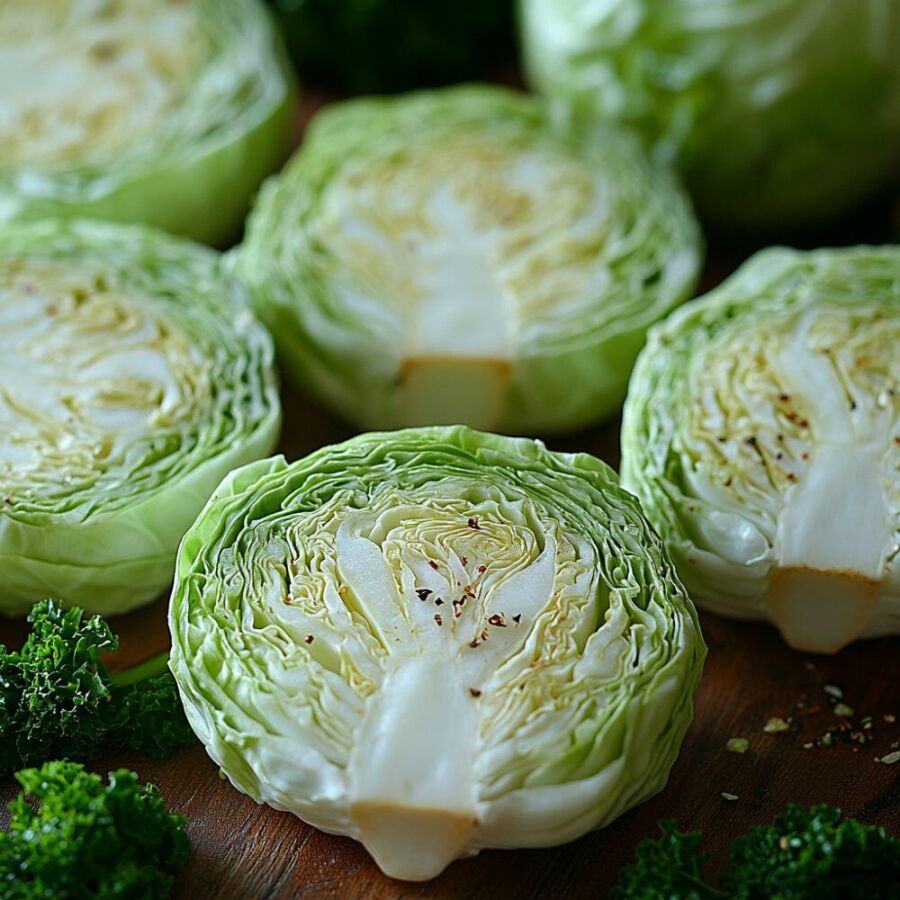
⑩ Cabbage
• Nutrients: Vitamin C, glutamine, anti-cancer phytochemicals.
• Benefits: Anti-inflammatory, strengthens immunity, protects against lung and stomach cancer.
• Interesting fact: Just 3 servings of cabbage per week can reduce the risk of prostate cancer.
→ Recipe from Coleslaw Creamy: Blend cabbage, carrots, and raisins; blend creamy sauce of nuts, seeds, and spices; combine and freeze.
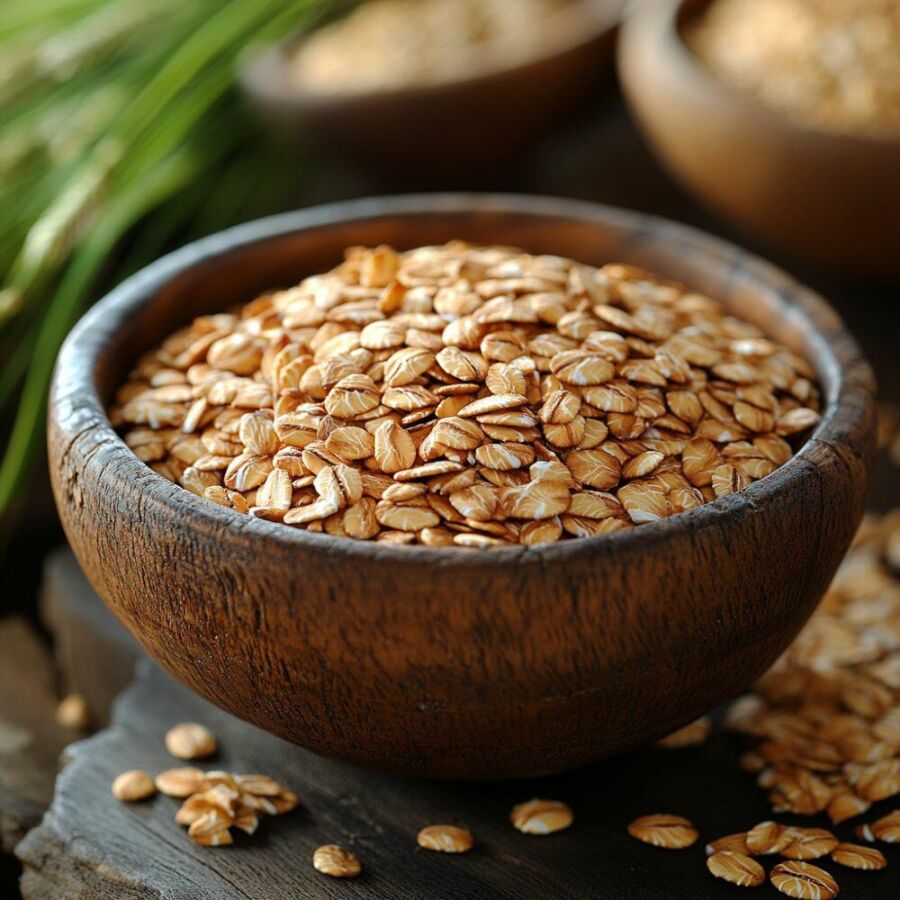
⑪ Oats
• Nutrients: Beta-glucans, vegetable protein, vitamins B1, B5, biotin, magnesium.
• Benefits: Reduces cholesterol, improves satiety, stabilizes blood sugar.
• Fun fact: It has more protein than any grain except quinoa.
→ Oatmeal Porridge Recipe with Walnuts and Cinnamon: Cook oats with water, salt, cinnamon, and raisins; finish with walnuts.
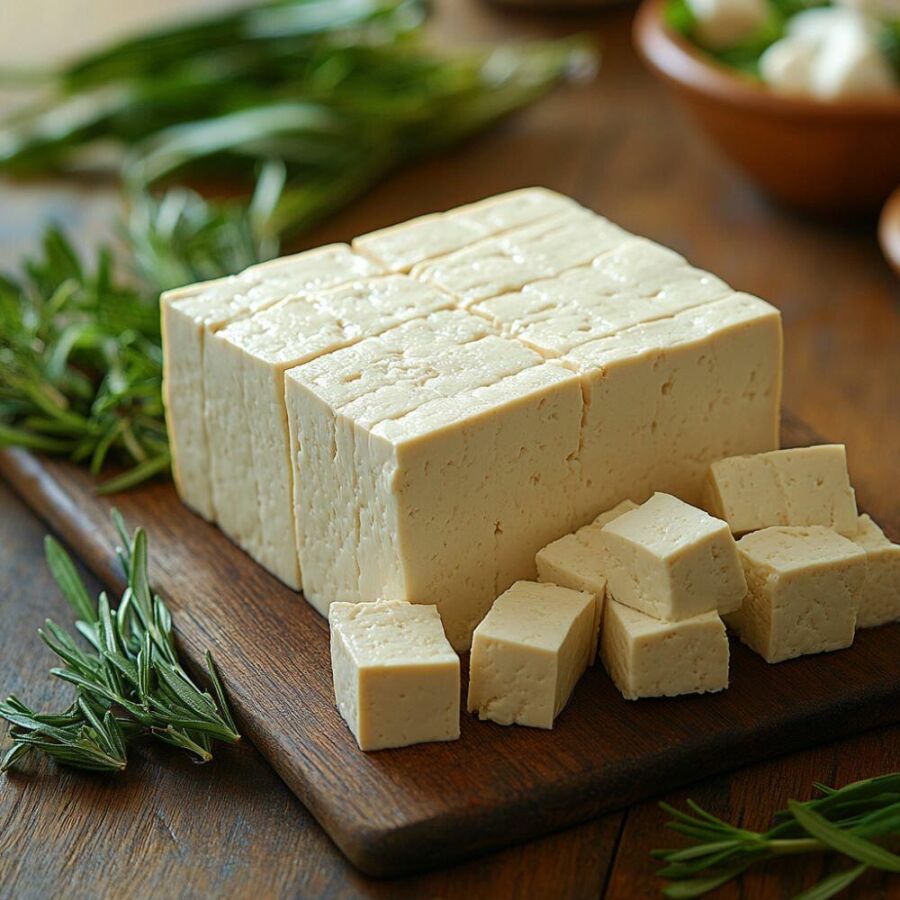
⑫ Tofu
• Nutrients: High-quality vegetable protein, calcium (in coagulated versions with calcium salts), iron, magnesium.
• Benefits: Replaces dairy and meat, low in saturated fat, versatile.
• Fun fact: The firmer the tofu, the higher the protein content.
→ Tofu and Scallion Spread Recipe: Blend tofu, vinegar, salt, onion powder, and olive oil; mix in scallions and chill.
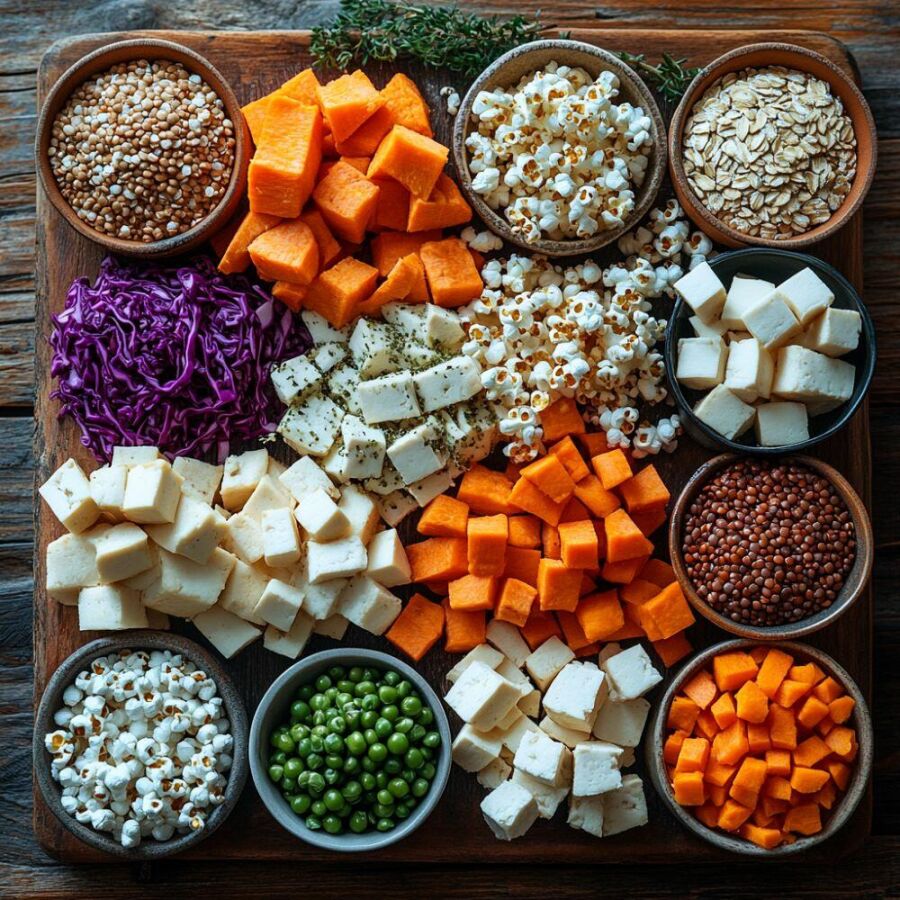
By gathering these 12 foods, we realize that health doesn't depend on expensive diets or exotic ingredients. Simple options, found at any market or market, can be true allies in preventing disease, balancing the body, and promoting longevity. These options combine fiber, protein, antioxidants, vitamins, and minerals, forming an affordable and nutritious base. With creativity and awareness, these foods can transform your eating routine into a true wellness menu.
You might also like to read
Salt: What Really Matters When Choosing It?
Learn what to look for on the label and what the scientific evidence actually shows.
Published on March 14, 2026 at 11:12 AM - Updated on March 11, 2026 at 11:42 AM - By Silvia Ribeiro

Testosterone and Nutrition: What Science Shows About Each Dietary Pattern
How different diets influence your hormonal balance and why metabolic health is what truly defines your performance.
Published on March 13, 2026 at 18:20 AM - Updated on March 13, 2026 at 18:21 AM - By Silvia Ribeiro
The Nutritional Secret to Burning More Fat Without Complicating Your Diet
A simple dietary adjustment that can increase fat burning by up to 25% and reduce hunger naturally.
Published on March 19, 2026 at 11:43 AM - Updated on March 19, 2026 at 11:44 AM - By Silvia Ribeiro

Iron Deficiency: How to Correct It Without Harming the Body
Maintaining ideal iron levels in a balanced way, without increasing the risk of chronic diseases.
Published on March 24, 2026 at 10:35 AM - Updated on March 24, 2026 at 10:36 AM - By Silvia Ribeiro
Dietary Fiber as a Central Axis of Human Health and the Nutritional Future in 2026
Why the most neglected nutrient in the modern diet has become a key player in disease prevention, gut health, and food sustainability.
Published on March 22, 2026 at 13:44 AM - Updated on March 22, 2026 at 11:39 AM - By Silvia Ribeiro
How to Improve Intestinal Permeability Through Diet
A practical strategy to strengthen the gut barrier, reduce inflammation, and nourish the microbiome with plant-based foods.
Published on March 14, 2026 at 12:54 AM - Updated on March 14, 2026 at 12:56 AM - By Silvia Ribeiro
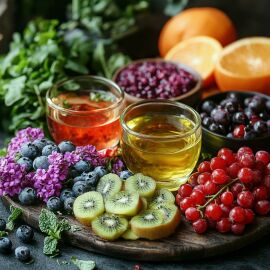
Flavonoids: Bioactive Compounds Essential for Human Health
How do these phytochemicals work in the body, where are they found, and why are they associated with the prevention of chronic diseases?
Published on March 17, 2025 at 10:48 AM - Updated on March 22, 2025 at 11:34 AM - By Silvia Ribeiro

The New Era of Nutritional Misinformation: How Digital Influencers Are Reshaping What We Eat
How influential figures transform distrust, emotion, and marketing into narratives that distort science and shape food choices on a global scale.
Published on March 02, 2025 at 10:29 AM - Updated on March 02, 2025 at 10:45 AM - By Silvia Ribeiro
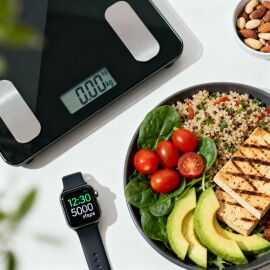
Nutrition and Behavior Guide: How to Lose 10 kg Clearly and Safely
The science of weight loss made simple, methodical, consistent, and without shortcuts
Published on March 27, 2025 at 10:44 AM - Updated on March 27, 2025 at 10:59 AM - By Silvia Ribeiro

Better Sleep Starts at the Plate: The Connection Between What We Eat and the Quality of Our Rest
How a plant-based diet could be the secret to a deeper, more restorative night's sleep
Published on March 06, 2025 at 15:09 AM - Updated on March 06, 2025 at 15:11 AM - By Silvia Ribeiro