


 Back
Nutrition
Iron Deficiency: How to Correct It Without Harming the Body
Maintaining ideal iron levels in a balanced way, without increasing the risk of chronic diseases.

Share:


Many people still believe that eating meat is essential for maintaining strength and health , and fear that avoiding it will lead to weakness, anemia, or lack of energy. However, recent research shows a much more complex scenario . A huge study followed almost half a million people for eight years to understand how meat affects the body. The results show that, although meat provides iron, it also brings many serious health risks.
Understanding these risks can help you make better decisions for your long-term health. You don't have to choose between getting enough iron and avoiding chronic diseases.
The Risks of Red and Processed Meat
Red meat and processed meats , such as bacon or sausage, are very common in most diets. But the study found that consuming these foods increases the risk of several diseases . The biggest concern is heart disease. Heart disease is the leading cause of death among men and women today . People who consume more red meat have a much higher probability of developing this fatal disease.
The risks aren't limited to the heart . Higher meat consumption has been linked to pneumonia , a serious infection that affects the lungs . The study also found a link to diverticulitis , a condition in which small pouches protrude from the wall of the colon . These pouches can become inflamed or infected, causing significant pain.
Red meat consumers also showed higher risks of colon polyps and diabetes . Researchers analyzed several factors to verify if meat was indeed the cause. They considered age, sex, occupation, and education level. They even analyzed the amount of physical exercise and whether people smoked. Even taking all these factors into account, the relationship between meat and disease remained the same . It wasn't just a matter of body weight, but rather the greater likelihood of meat consumers weighing more. The problem seems to lie in the meat itself.
Why are poultry not always a healthy choice?
Many people replace red meat with chicken or turkey believing they are making a healthier choice. The idea is that poultry is a "safer" meat option. But the study showed that this also has its problems. Higher consumption of poultry was associated with several digestive disorders . One of the main ones is gastroesophageal reflux disease (GERD), known as acid reflux, which causes heartburn and burning in the throat.
Poultry consumption has also been linked to:
🔸 Gastritis (inflammation of the stomach)
🔸 Duodenitis (inflammation in the upper part of the small intestine)
In addition, chicken and turkey have been associated with:
🔸 Diverticular disease
🔸 Gallbladder disease
🔸 Diabetes
This shows that Poultry is far from being a completely healthy option.They can cause inflammation and irritation throughout the digestive tract. If you suffer from stomach problems, consuming chicken may be one of the reasons.

The Only Benefit of Eating Meat
With all these risks, why do people still eat meat? The study found one positive aspect. People who consumed more meat had a lower risk of iron deficiency anemia . Iron is an essential mineral for transporting oxygen in the blood. Iron deficiency causes fatigue and weakness.
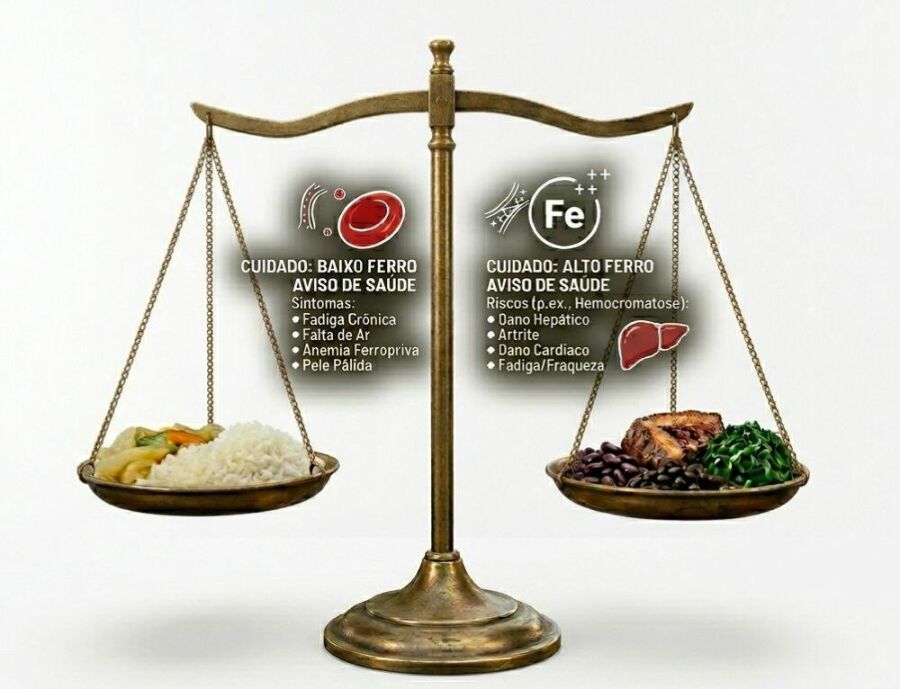
Meat contains a type of iron that the body absorbs very easily . This helps meat eaters maintain high iron levels. However, very high iron levels are not always beneficial. Large amounts of iron can lead to toxicity, which is linked to diseases such as cancer and diabetes.
The goal is to find the ideal balance: enough iron to prevent anemia, but not so much as to cause oxidative stress in the body.
Comparison of Iron Levels in Different Diets
The study analyzed hundreds of thousands of people with different dietary habits . It compared red meat eaters, fish eaters, vegetarians, and vegans. The results surprised many people.
Among white men, fish consumers had the highest rates of anemia . For women who still menstruate, the numbers were very similar. About 9% of regular red meat consumers had anemia. About 13% of those who did not consume red meat had the disease. But here's the surprising fact: only 8% of vegans had anemia.
This means that vegans had lower rates of anemia than women who consumed meat daily . This suggests that a plant-based diet can provide sufficient iron if done correctly . Postmenopausal women showed a similar trend. Reducing red meat consumption increased anemia rates by only about 3%.
Women's Group - Anemia Rate
• Regular consumers of red meat - 9%
• Occasional consumers - 10%
• They avoid red meat - 13%
• Vegan - 8%

The Dangers of Iron Deficiency Anemia
Although meat carries risks, the danger of anemia cannot be ignored , as it can lead to serious health complications. The video mentions the case of a young vegan woman who lost part of her vision due to iron deficiency. This happened because she already had anemia due to her diet and, in addition, began to experience very heavy periods.
Heavy menstrual bleeding is the most common cause of anemia in women , regardless of their diet. If blood loss is excessive every month, the body cannot compensate. Doctors can treat anemia with medication to reduce menstrual flow, but they also need to regulate iron levels in the blood.
Problems with Iron Supplements
Most doctors suggest iron tablets as a first-line treatment for anemia. These tablets are called oral iron supplements. They act quickly, but have many disadvantages. Almost 75% of people who take iron tablets experience side effects such as:
🔸 Abdominal pain and cramps
🔸 Constipation or difficulty in defecating
🔸Nausea or feeling like vomiting
Due to these problems, One in four people interrupts treatment.Iron tablets too. They can be aggressive to the intestines. and can cause intestinal inflammation or even harm the "good" bacteria of the gut microbiota, while They promote the growth of "bad" bacteria.. That's why Some people with bowel diseases need to receive iron intravenously. instead of pills.
How to Obtain Iron from Plant-Based Foods
Iron deficiency can be treated through diet, which is more sustainable in the long term.
Good plant-based sources of iron include:
✅ Legumes: This includes beans, peas, chickpeas, and lentils.
✅ Whole grains: Look for cereals or breads fortified with iron.
✅ Dark green vegetables: Spinach and kale are great options.
✅ Dried fruits: Dried apricots are an excellent source.
✅ Nuts and seeds: Pumpkin seeds and cashews help increase iron levels.
To better benefit from these foods, combine them with vitamin C, which increases the absorption of plant-based iron by the body. You can add sliced bell peppers to your beans or drink a glass of orange juice with your fortified cereal. Other good sources of vitamin C are broccoli, tropical fruits, and citrus fruits.
You should also be careful about when you drink tea. Tea can block iron absorption. Ideally, you should drink tea between meals, rather than with food . This simple change can make a big difference in your iron levels.
The Best Way to Take Supplements
If levels are too low, supplementation may be necessary for a short period.
Some strategies to reduce side effects:
✔ Take every other day
✔ Use smaller doses
✔ Opt for iron bisglycinate (better absorption)
✔ Ideally, take it on an empty stomach, about an hour before meals. If it causes discomfort, it can be taken with food.
✔ Vitamin C can aid absorption, but it can also increase side effects in some people.

Eating meat involves a delicate balance because it readily provides iron, but it's also associated with a higher risk of heart disease, diabetes, and various digestive problems. Data shows that it's not necessary to consume meat to maintain healthy blood . The most consistent approach is to prioritize whole, plant-based foods . Consume plenty of beans, vegetables, and grains. Combine them with vitamin C to maintain optimal iron levels. This helps you stay strong and energized without the risks associated with a meat-rich diet.
By making more conscious food choices, you protect your heart and digestive system, reduce your need for medication, and lower your risk of chronic diseases. Include plant-based foods rich in iron and learn to listen to your body to find the balance that best suits you.
Source:
All scientific articles mentioned are available in the video description. To access them, use the "Sources Cited" tab when browsing on a computer or the "Sources" tab on the mobile version.
You might also like to read

Salt: What Really Matters When Choosing It?
Learn what to look for on the label and what the scientific evidence actually shows.
Published on March 14, 2026 at 11:12 AM - Updated on March 11, 2026 at 11:42 AM - By Silvia Ribeiro

Testosterone and Nutrition: What Science Shows About Each Dietary Pattern
How different diets influence your hormonal balance and why metabolic health is what truly defines your performance.
Published on March 13, 2026 at 18:20 AM - Updated on March 13, 2026 at 18:21 AM - By Silvia Ribeiro

The Nutritional Secret to Burning More Fat Without Complicating Your Diet
A simple dietary adjustment that can increase fat burning by up to 25% and reduce hunger naturally.
Published on March 19, 2026 at 11:43 AM - Updated on March 19, 2026 at 11:44 AM - By Silvia Ribeiro
🏠 Open Home to see all subjects and topics

Dietary Fiber as a Central Axis of Human Health and the Nutritional Future in 2026
Why the most neglected nutrient in the modern diet has become a key player in disease prevention, gut health, and food sustainability.
Published on March 22, 2026 at 13:44 AM - Updated on March 22, 2026 at 11:39 AM - By Silvia Ribeiro

How to Improve Intestinal Permeability Through Diet
A practical strategy to strengthen the gut barrier, reduce inflammation, and nourish the microbiome with plant-based foods.
Published on March 14, 2026 at 12:54 AM - Updated on March 14, 2026 at 12:56 AM - By Silvia Ribeiro

Flavonoids: Bioactive Compounds Essential for Human Health
How do these phytochemicals work in the body, where are they found, and why are they associated with the prevention of chronic diseases?
Published on March 17, 2025 at 10:48 AM - Updated on March 22, 2025 at 11:34 AM - By Silvia Ribeiro

The New Era of Nutritional Misinformation: How Digital Influencers Are Reshaping What We Eat
How influential figures transform distrust, emotion, and marketing into narratives that distort science and shape food choices on a global scale.
Published on March 02, 2025 at 10:29 AM - Updated on March 02, 2025 at 10:45 AM - By Silvia Ribeiro

Nutrition and Behavior Guide: How to Lose 10 kg Clearly and Safely
The science of weight loss made simple, methodical, consistent, and without shortcuts
Published on March 27, 2025 at 10:44 AM - Updated on March 27, 2025 at 10:59 AM - By Silvia Ribeiro

Better Sleep Starts at the Plate: The Connection Between What We Eat and the Quality of Our Rest
How a plant-based diet could be the secret to a deeper, more restorative night's sleep
Published on March 06, 2025 at 15:09 AM - Updated on March 06, 2025 at 15:11 AM - By Silvia Ribeiro