



 Back
Essential and Uncomplicated
Practical Applications of Plant-Based Functional Gastronomy
Culinary techniques, nutrient biochemistry and maximum use of food for a healthy and sustainable diet

Silvia Ribeiro
#essentialanduncomplicated
On 03/08/2024 at 15:13 pm - Updated on 28/05/2025 at 10:23 pm
Share:


Plant-Based functional gastronomy emerges as an innovative and conscious response to contemporary demands for food that is simultaneously tasty, nutritious and sustainable. In a world where food increasingly becomes a reflection of personal choices and values, this approach stands out for its ability to transform simple plant-based ingredients into true works of culinary art that delight the palate and promote health.
In this context, functional gastronomy goes beyond simply preparing food; it involves deeply understanding the biochemistry of nutrients, individual needs and the complex interactions between food components and our bodies. Through techniques that preserve and enhance nutrients, this practice not only enriches the diet, but also respects and values the environment.
Below, we’ll explore the many practical applications of this approach, from modifying foods to enhance their properties to the practical benefits of cooking. Discover how to transform every meal into an opportunity to nourish your body, respect nature, and enjoy intense, authentic flavors. And let’s get gourmet!
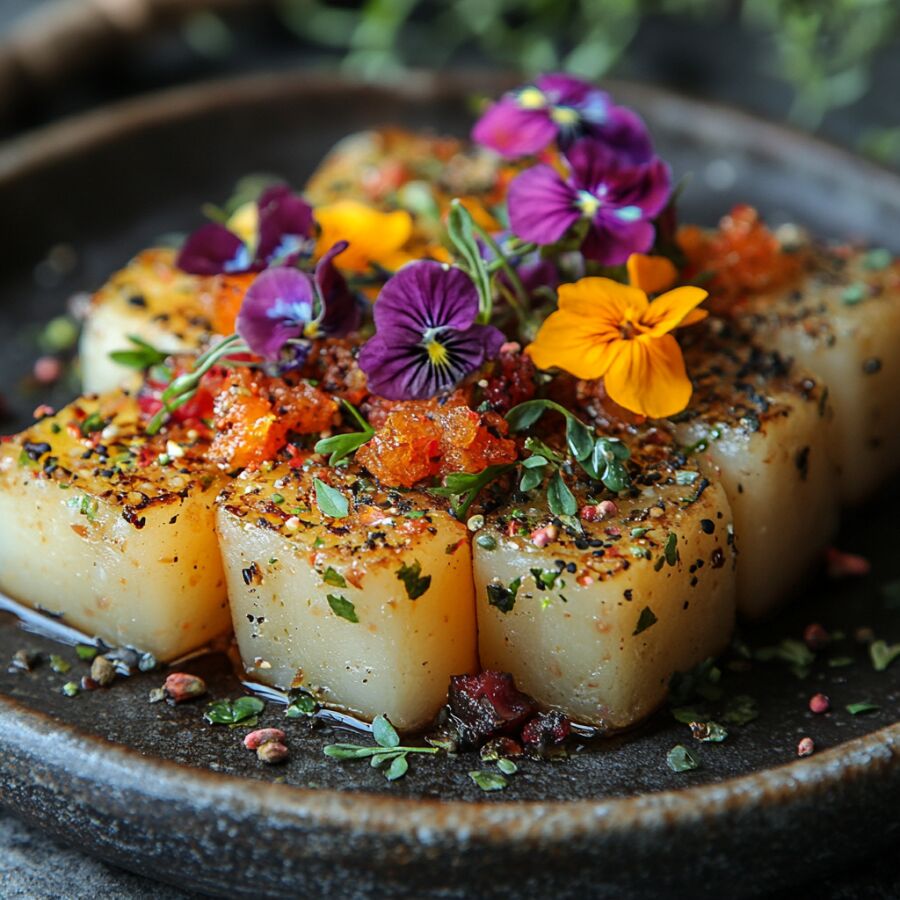
Practical Applications of Plant-Based Functional Gastronomy
Modifying Food to Make It Better in Every Way:
Flavor: Plant-based functional gastronomy emphasizes the exploration of natural ingredients to maximize flavor. For example, the use of spices such as turmeric, ginger, and black pepper not only intensifies the taste but also offers anti-inflammatory benefits.
Odor: Food manipulation to improve its odor involves techniques such as marinades and slow roasting. Fresh herbs like rosemary and thyme, as well as garlic and onion, are essential for creating appealing aromas.
Texture: Controlling texture is crucial in functional gastronomy. Using techniques like steaming maintains the crispness of vegetables, while methods like sautéing help soften tougher ingredients.
Ease of Digestion: Ingredients like ginger and mint are known for their digestive properties. Preparation techniques such as fermentation (e.g., sauerkraut and kimchi) not only improve digestibility but also enrich foods with probiotics.
Nutrient Utilization: Steaming and baking are methods that preserve the nutrients in food. For example, steamed broccoli retains more vitamin C than boiled broccoli. Combining foods, such as adding a source of vitamin C (lemon) to plant-based iron (spinach), increases nutrient absorption.
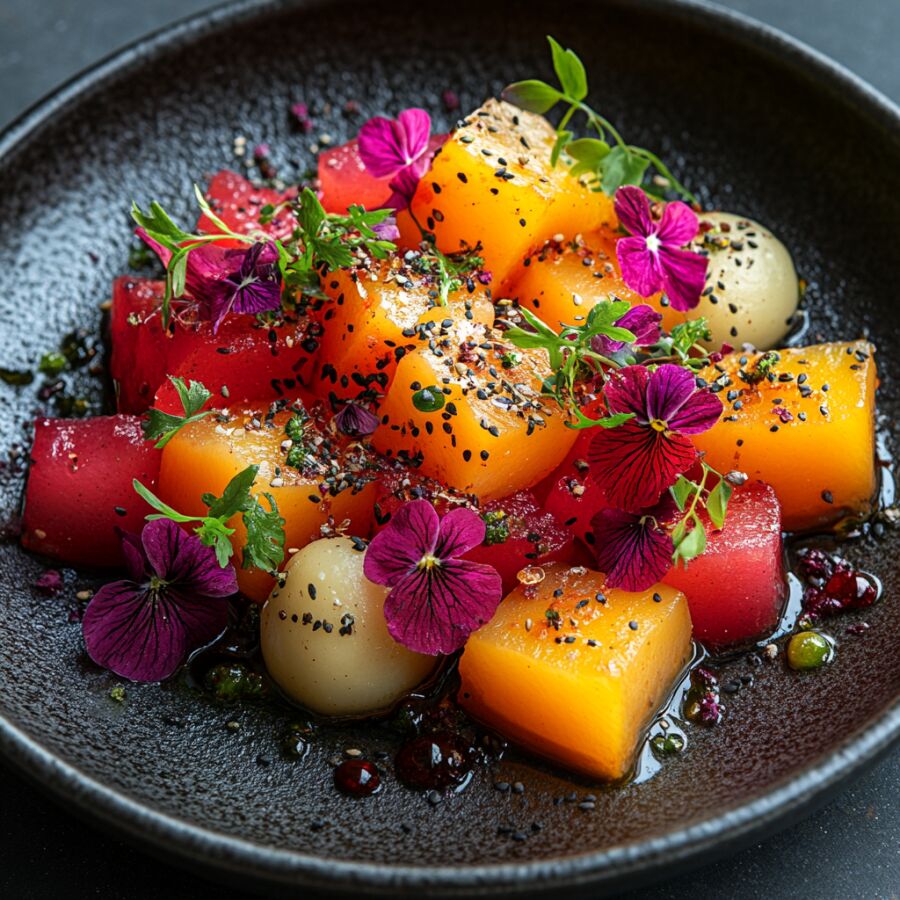
Practical Applications of Cooking
Nutrient Biochemistry:
Understanding the biochemistry of nutrients helps you choose cooking methods that preserve or even increase the nutritional value of foods. For example, cooking tomatoes releases more lycopene, a powerful antioxidant.
Harmonization between Dietary Plan and Signs and Symptoms:
Functional gastronomy can be used to tailor a diet to an individual’s specific needs. For example, people with gluten intolerance can use alternative flours such as rice or almond flour, while those with irritable bowel syndrome can avoid fermentable foods.
Bioactive Compounds in Plant Based Food:
Plant-based foods are rich in bioactive compounds such as polyphenols, flavonoids, and carotenoids. For example, resveratrol found in grapes is known for its cardiovascular benefits.
Everyday Facilities:
Planning and preparing meals in advance makes it easier to stick to a healthy diet even with a busy lifestyle. Smoothies and jarred salads are examples of quick and nutritious meals.
Mental and Physical Health:
Plant-based diets are associated with improvements in mood and mental health due to their high intake of fiber, vitamins, and minerals. Additionally, plant-rich diets have been associated with the prevention of chronic diseases such as diabetes and hypertension.
Respect for the Physical Body and Microbiota:
A diet rich in fiber from whole foods like whole grains, fruits, and vegetables promotes a healthy gut microbiota, which is essential for overall well-being. Fermented foods also contribute to a balanced gut flora.
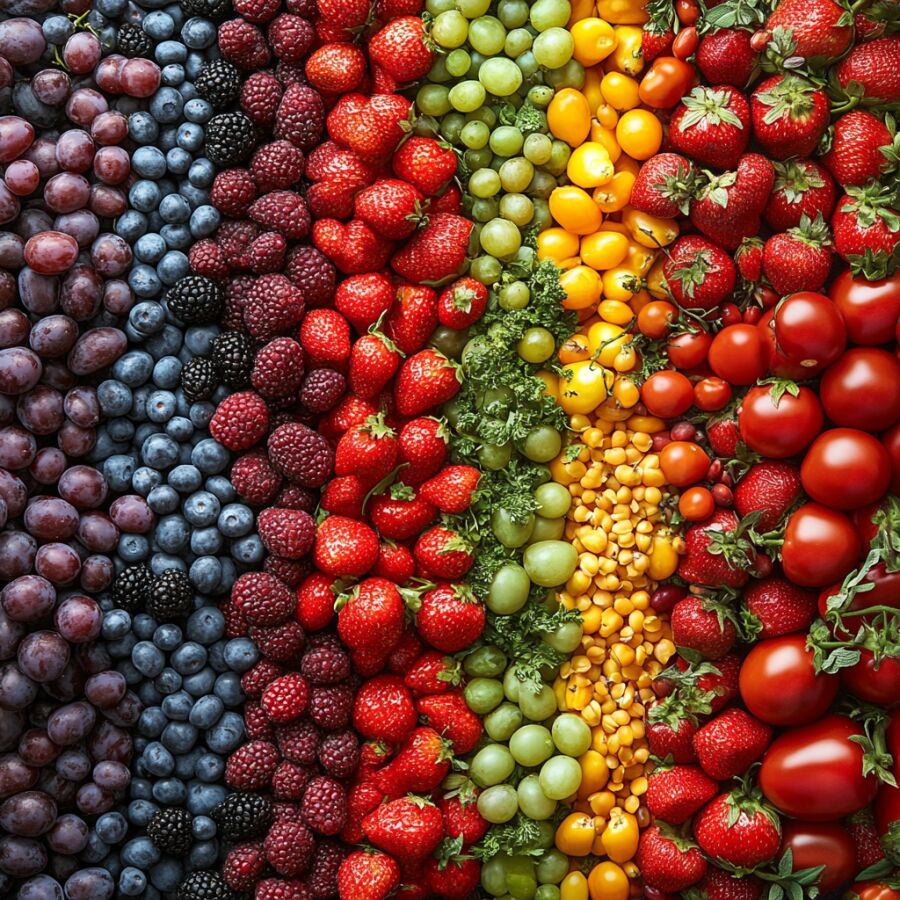
Cooking Techniques for Plant Based Ingredients
These cooking methods help maximize nutrient retention and intensify the natural flavors of foods, contributing to a healthier and more delicious diet.

Steam Cooking
Description: Steaming is a healthy method that preserves most of the nutrients while maintaining the flavor and texture of the food. It uses a pot with a steamer basket to cook the food.
Recommended Ingredients: Broccoli, carrots, spinach, cabbage, peas.
Benefits: Preserves water-soluble vitamins and minerals such as vitamin C and folic acid. Maintains the crisp texture and fresh flavor of vegetables.
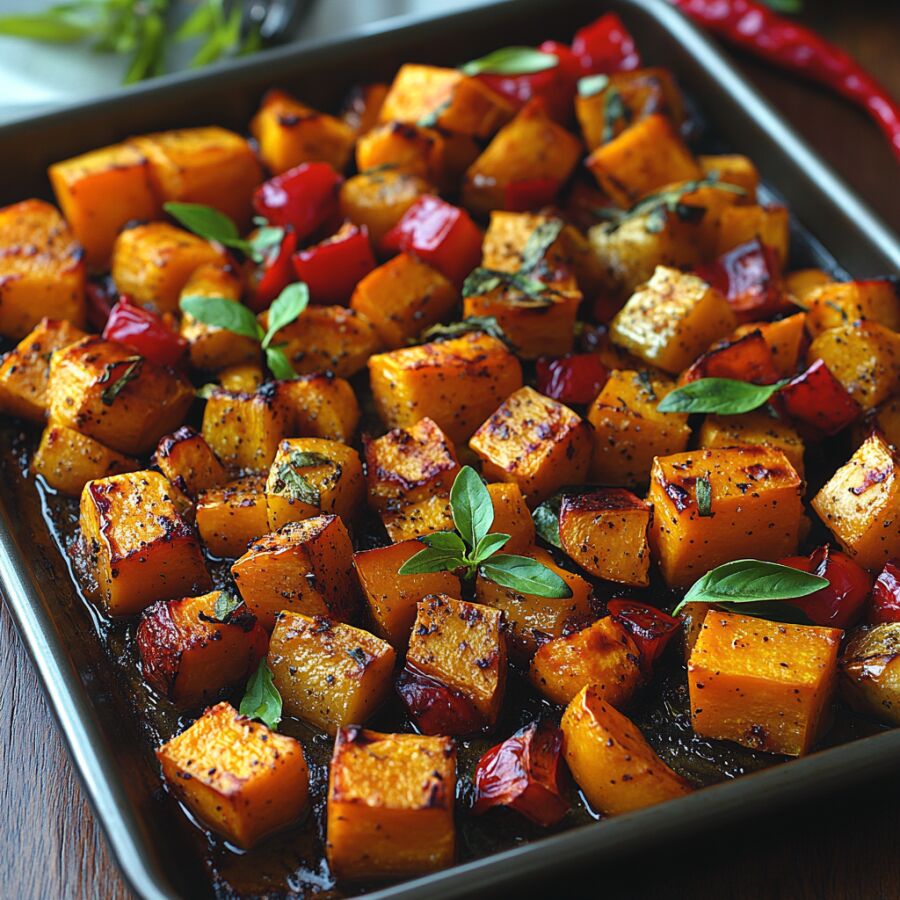
To bake
Description: Roasting brings out the natural flavors of food through caramelization. It can be done in the oven or in an air fryer with little or no oil.
Recommended Ingredients: Sweet potato, pumpkin, pepper, onion.
Benefits: It enhances the flavor of food and reduces the need for added fat. It preserves nutrients and is ideal for preparing large quantities at once.

Grill
Description: Grilling is a high-temperature cooking method that gives food a crispy texture and smoky flavor.
Recommended Ingredients: Zucchini, eggplant, corn, tofu, mushrooms.
Benefits: Enhances the natural flavor of foods without adding fat. Maintains nutrient integrity and may reduce the need for additional seasonings.
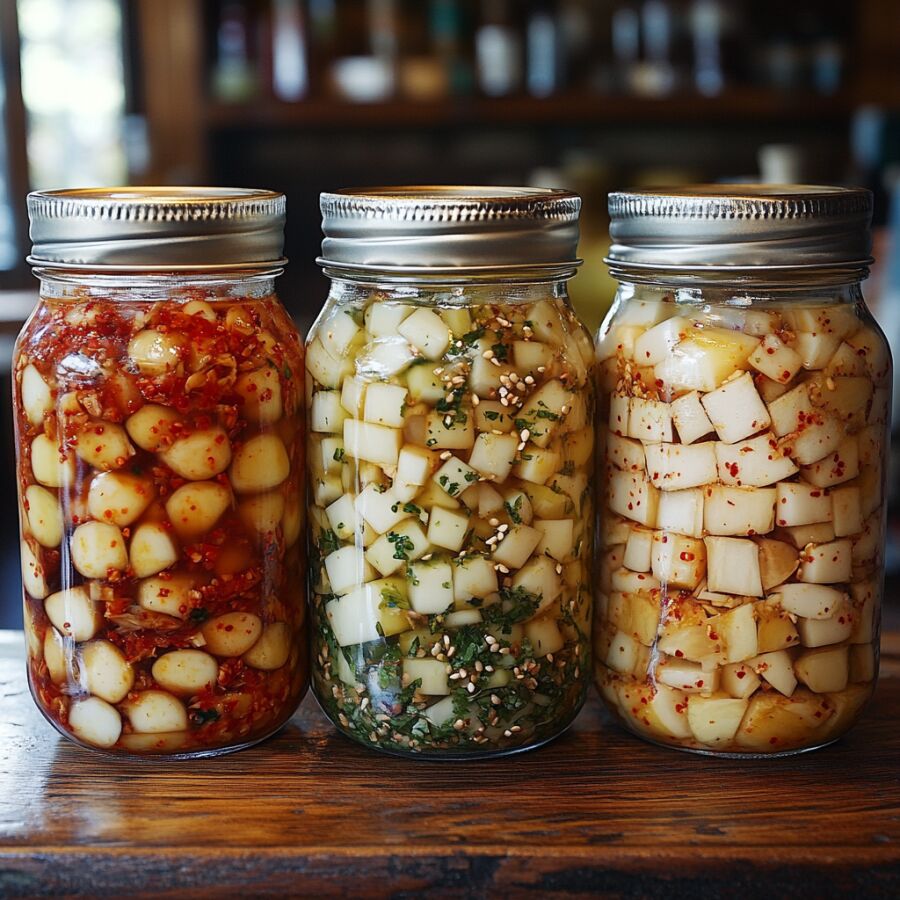
Ferment
Description: Fermentation is a process that transforms food through microorganisms, enriching it with probiotics that are beneficial for intestinal health.
Recommended Ingredients: Cabbage (for sauerkraut), radish (for kimchi), coconut milk (for coconut yogurt).
Benefits: Improves the digestibility of food and enriches the diet with probiotics. It can increase the bioavailability of certain nutrients.
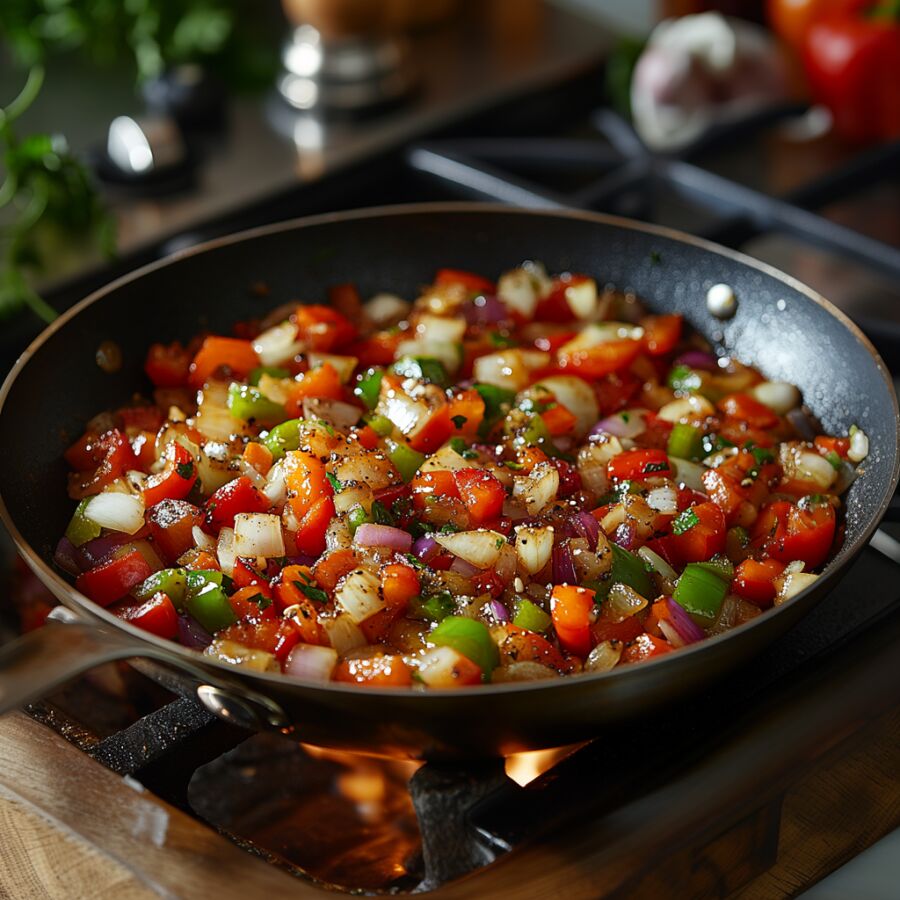
Sauté
Description: Sautéing is a method of quickly cooking food over high heat with a small amount of oil. This method helps preserve the texture and flavor of food.
Recommended Ingredients: Peppers, onions, garlic, spinach, mushrooms.
Benefits: Maintains the crunchy texture and intensifies the flavors of food. Allows the use of seasonings and herbs to enhance the flavor.

Slow Cooking
Description: Slow cooking is carried out at a low temperature for a long period of time, ideal for preparing stews and soups.
Recommended Ingredients: Beans, lentils, chickpeas, potatoes, carrots.
Benefits: Allows flavors to blend and intensify. Preserves most nutrients and makes food easier to digest. Ideal for preparing nutritious meals in large quantities.

Dehydrate
Description: Dehydration removes water from food, which helps preserve it for longer and concentrates its nutrients.
Recommended Ingredients: Fruits (orange, pineapple, apple), herbs, tomatoes, carrots, onions, garlic, peppers.
Benefits: It makes food preservation easier and concentrates nutrients. It can be used to create healthy snacks and homemade seasonings.
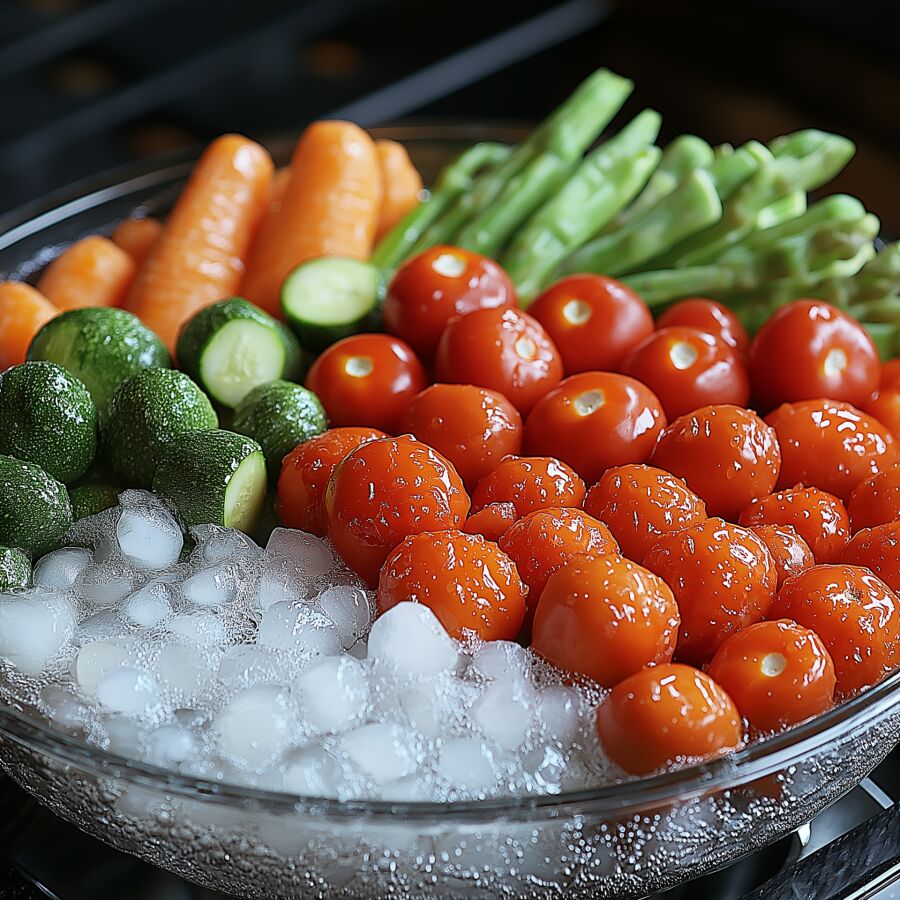
Whiten
Description: Blanching is the process of quickly cooking food in boiling water and then quickly cooling it in ice water.
Recommended Ingredients: Vegetables such as cabbage, broccoli, carrots.
Benefits: Helps preserve the color, texture and nutrients of food. Makes the freezing process easier and prepares food for long-term storage.
Nutrient Biochemistry
Understanding the biochemistry of nutrients helps you choose cooking methods that preserve or even increase the nutritional value of foods.
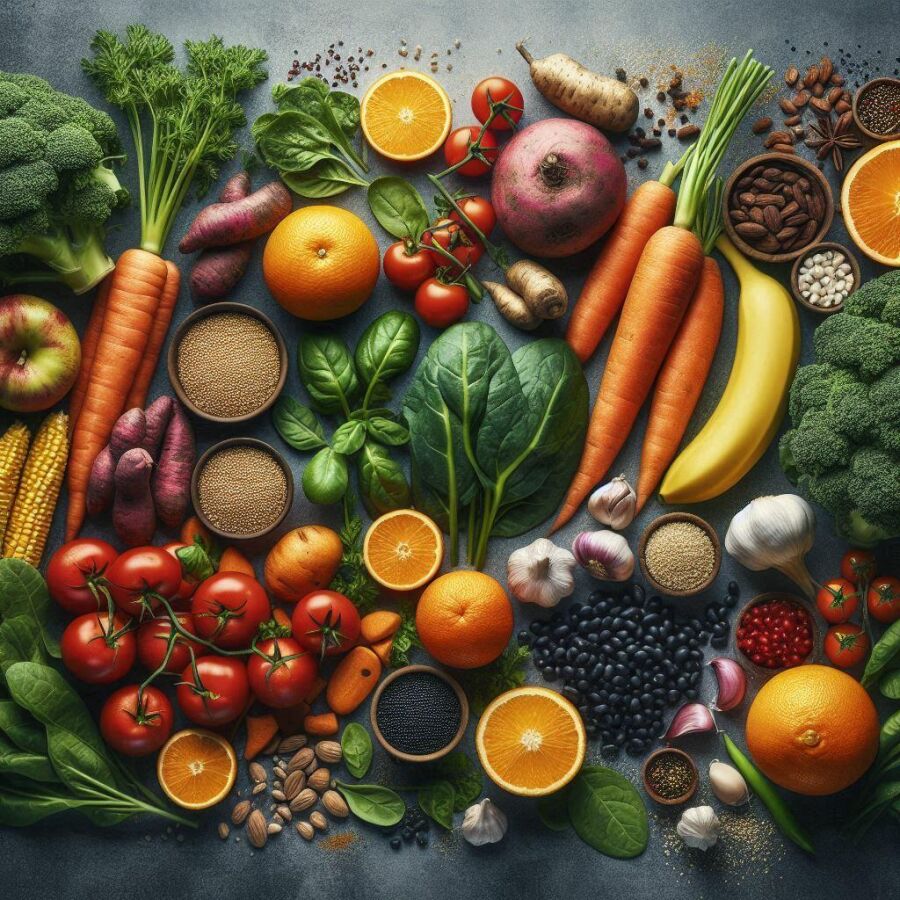
Next, we’ll explore different plant-based ingredients and how to maximize their nutritional benefits through different preparation methods:
Vegetables
Tomato
Nutrients: Lycopene, vitamin C, potassium, folic acid.
Biochemistry: Cooking tomatoes releases more lycopene, a powerful antioxidant that helps reduce the risk of heart disease and cancer. Lycopene is best absorbed when combined with fats, such as olive oil.
Broccoli
Nutrients: Vitamin C, vitamin K, folate, fiber, sulforaphane.
Biochemistry: Steaming broccoli preserves most of its vitamin C and sulforaphane compounds, which have anticancer properties. Avoid boiling it, as this can reduce its vitamin C content.
Carrot
Nutrients: Beta-carotene, vitamin A, fiber, vitamin K, potassium.
Biochemistry: Cooking carrots releases more beta-carotene, which is converted into vitamin A in the body, which is essential for eye and immune health. Consuming carrots with a fat source, such as coconut oil, increases the absorption of beta-carotene.
Spinach
Nutrients: Iron, calcium, magnesium, vitamin K, vitamin A, folate.
Biochemistry: Cooking spinach reduces oxalate, increasing the bioavailability of calcium and iron. Combining spinach with foods rich in vitamin C, such as lemon or bell peppers, improves iron absorption.
Cabbage
Nutrients: Vitamin K, vitamin C, vitamin A, fiber, calcium.
Biochemistry: The vitamin K in kale is important for blood clotting and bone health. Lightly cooking kale increases the absorption of vitamin K and calcium.
Sweet potato
Nutrients: Beta-carotene, vitamin C, potassium, fiber.
Biochemistry: Baking sweet potatoes increases the concentration of available beta-carotene. Vitamin A derived from beta-carotene is essential for vision and immune function.
Fruits
Orange
Nutrients: Vitamin C, fiber, folate, antioxidants.
Biochemistry: Fresh oranges are an excellent source of vitamin C, which helps with the absorption of plant-based iron. Eating the whole fruit, with the pulp, provides additional fiber that benefits digestion.
Banana
Nutrients: Potassium, vitamin B6, vitamin C, fiber.
Biochemistry: Bananas are rich in potassium, which is crucial for cardiovascular health. Eating ripe bananas increases the digestibility of starch, turning it into more easily absorbed sugar.
Avocado
Nutrients: Monounsaturated fats, vitamin E, potassium, fiber, folate.
Biochemistry: The healthy fats in avocados help with the absorption of fat-soluble vitamins (A, D, E, K) from other foods. Adding avocado to salads increases the absorption of antioxidants from vegetables like tomatoes and carrots.
Manga
Nutrients: Vitamin C, vitamin A, fiber, antioxidants.
Biochemistry: Mangoes are rich in vitamin C, which improves immunity and iron absorption. Vitamin A contributes to eye and skin health.
Grains and Legumes
Quinoa
Nutrients: Complete protein, fiber, magnesium, iron, zinc.
Biochemistry: Quinoa is a complete protein, containing all the essential amino acids. Washing and cooking quinoa improves digestibility and removes saponins, bitter compounds on the surface of the grains.
Lentils
Nutrients: Protein, iron, folate, fiber, potassium.
Biochemistry: Sprouting lentils before cooking increases nutrient bioavailability and improves digestion. Cooking them with a bay leaf or kombu can reduce gas-causing compounds.
Black bean
Nutrients: Protein, fiber, folate, iron, magnesium.
Biochemistry: Soaking black beans for 8-12 hours before cooking reduces phytates and improves mineral absorption. Cooking with spices like cumin and ginger can aid digestion.
Chickpea
Nutrients: Protein, fiber, folate, iron, manganese.
Biochemistry: Chickpeas, when sprouted, have better digestibility and bioavailability of nutrients. Hummus made with cooked chickpeas and tahini is a combination that improves the absorption of proteins and healthy fats.
Nuts and Seeds
Chia seeds
Nutrients: Omega-3, fiber, protein, calcium, magnesium.
Biochemistry: Chia seeds are an excellent source of omega-3 fatty acids. Soaking the seeds before eating helps release mucilage, a soluble fiber that benefits gut health.
Nuts
Nutrients: Healthy fats, vitamin E, antioxidants, protein.
Biochemistry: Nuts are rich in antioxidants that fight oxidative stress. Lightly toasting nuts can improve their flavor without destroying many nutrients.
Pumpkin Seeds
Nutrients: Zinc, magnesium, protein, healthy fats.
Biochemistry: Eating pumpkin seeds raw or lightly roasted preserves magnesium and zinc levels, which are important for immune and bone health.
Almonds
Nutrients: Vitamin E, magnesium, protein, fiber.
Biochemistry: Almonds are rich in vitamin E, which is a powerful antioxidant. Eating almonds with the skin on increases your intake of fiber and phytochemicals.
Herbs and Spices
Turmeric
Nutrients: Curcumin, antioxidants.
Biochemistry: Curcumin, the main active compound in turmeric, has potent anti-inflammatory and antioxidant properties. Combining it with black pepper significantly increases its absorption.
Ginger
Nutrients: Gingerol, antioxidants, anti-inflammatories.
Biochemistry: Gingerol, a bioactive compound in ginger, improves digestion and reduces inflammation. Consuming ginger fresh or in tea preserves its benefits.
Garlic
Nutrients: Allicin, vitamin C, vitamin B6, manganese.
Biochemistry: Allicin, released when garlic is crushed or minced, has antimicrobial and immune-boosting properties. Letting minced garlic sit for 10 minutes before cooking maximizes allicin formation.
Basil
Nutrients: Vitamin K, vitamin A, antioxidants.
Biochemistry: Fresh basil is an excellent source of vitamin K, which is essential for blood clotting and bone health. Adding basil to raw dishes preserves its volatile antioxidants.
Plant-Based functional gastronomy is an approach that combines flavor, health and sustainability. With the right techniques and a deep understanding of food, it is possible to transform simple ingredients into nutritious, tasty meals that are beneficial for the body and the environment. Bon appétit!
You might also like to read
What habits would your organs like you to adopt?
Discover simple practices that can help each organ function better.
Published on March 23, 2026 at 12:31 AM - Updated on March 23, 2026 at 12:35 AM - By Silvia Ribeiro
What Defines the Quality of a Protein?
Discover the DIAAS index and see which foods offer the best amino acid profiles and nutritional benefits.
Published on March 17, 2026 at 09:49 AM - Updated on March 17, 2026 at 09:52 AM - By Silvia Ribeiro
Essential Guide to Supplements and Vitamins
A practical guide to the functions, absorption, combinations, and intelligent use of key nutrients.
Published on March 13, 2026 at 18:58 AM - Updated on March 13, 2026 at 18:59 AM - By Silvia Ribeiro

Strategies to Lower Cortisol and Take the Body Out of a State of Alert
Discover how small changes in your diet can reduce stress, improve sleep, and stabilize your energy levels.
Published on March 30, 2026 at 10:45 AM - Updated on March 30, 2026 at 13:16 AM - By Silvia Ribeiro

Ultra-processed foods: What are we really putting on our plates?
Understanding the degree of processing can be more important than counting calories.
Published on March 03, 2026 at 13:05 AM - Updated on March 03, 2026 at 13:08 AM - By Silvia Ribeiro

The Complete Guide to Plant-Based Protein Powders
What to consider when choosing, the main brands on the market, and creative ways to use them in everyday life.
Published on March 23, 2026 at 09:49 AM - Updated on March 23, 2026 at 09:55 AM - By Silvia Ribeiro

The Growth of the Vegan Market in Brazil: Where to Find Products for a Conscious Lifestyle
A guide to finding trustworthy stores, supporting sustainable businesses, and consuming with purpose
Published on March 18, 2025 at 12:32 AM - Updated on March 03, 2026 at 12:45 AM - By Silvia Ribeiro
Omega-3 Without Fish: The Essential Nutrient That Grows in Plants and Comes from the Sea in the Form of Algae
How to ensure you get DHA, EPA, and ALA every day on a 100% plant-based diet without relying on fish.
Published on March 03, 2026 at 10:45 AM - Updated on March 03, 2026 at 10:51 AM - By Silvia Ribeiro

Behind the Labels: How the Industry Hides Ingredients in Cosmetics, Foods, and Medicines
Discover how substances of animal origin are disguised on the market as natural, safe and harmless.
Published on March 22, 2025 at 11:14 AM - Updated on March 29, 2025 at 08:42 AM - By Silvia Ribeiro

Vegan Food for Dogs and Cats: A Practical and Conscious Guide
Everything you need to know to feed your pet healthily, ethically and sustainably
Published on March 01, 2025 at 11:23 AM - Updated on March 28, 2025 at 10:24 AM - By Silvia Ribeiro